 ultimate-guide
Preventive Dentistry vs Restorative Care Explained
Table of Contents
- Preventive Dentistry vs Restorative Care: The Core Difference
- The Benefits of Routine Dental Check-Ups and Dental Hygiene Best Practices
- Common Restorative Dental Procedures and When They Are Needed
- Why Early Intervention Changes the Long-Term Picture
- How Technology Is Changing Both Sides of Care
- Our Services and Products
- Frequently Asked Questions
Last Updated: September 10, 2026
Preventive Dentistry vs Restorative Care: The Core Difference
Preventive dentistry protects teeth and gums before disease takes hold; restorative care repairs damage already done.
What Is Preventive Dentistry?
Preventive dentistry covers routine measures that stop dental disease developing: check-ups, professional plaque and tartar removal, fluoride treatments, and sealants.
What Is Restorative Dentistry?
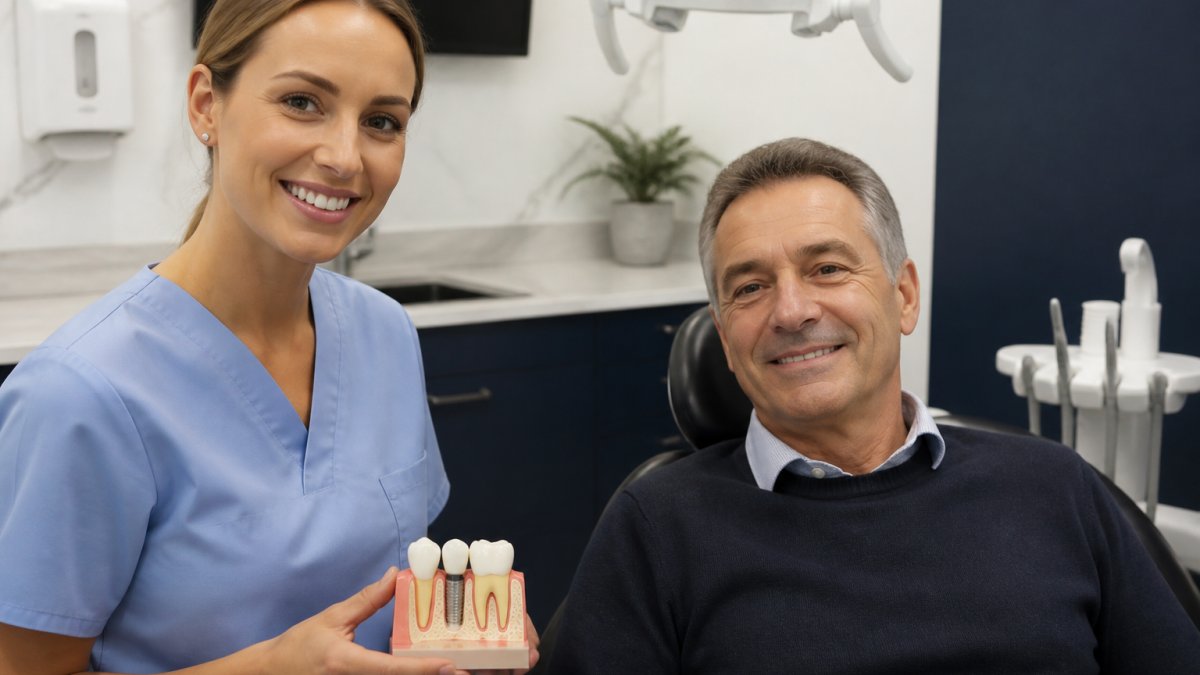
Restorative dentistry repairs teeth damaged by decay, trauma, or wear: fillings, crowns and bridges, and dental implants.
Key Differences at a Glance
| Aspect | Preventive Care | Restorative Care |
|---|---|---|
| Purpose | Stop disease developing | Repair existing damage |
| Timing | Before symptoms appear | After damage occurs |
| Typical procedures | Check-ups, scale and polish, sealants | Fillings, crowns, bridges, implants |
| Invasiveness | Non-invasive | Minimally invasive to surgical |
| Long-term outlook | Preserves natural teeth | Rebuilds function and appearance |
NHS guidance on dental care and check-ups
The Benefits of Routine Dental Check-Ups and Dental Hygiene Best Practices
The benefits of routine dental check-ups come down to early detection. A dentist can spot enamel erosion, early dental caries, and the first signs of periodontal disease long before you feel pain, when treatment is often a simple filling or a change in your oral hygiene routine.

Brush twice daily for two minutes with a fluoride toothpaste, clean between teeth daily, and limit sugary and acidic drinks between meals (the NHS).
Common Restorative Dental Procedures and When They Are Needed
Common restorative dental procedures include dental fillings, crowns, bridges, and dental implants, used when prevention has not been enough or when dental trauma needs repairing.
- Dental fillings: repair cavities caused by tooth decay
- Crowns and bridges: rebuild worn or broken teeth and replace missing ones
- Dental implants: replace a missing tooth root long-term
Restorative care is generally necessary once decay has breached the enamel, or when a tooth is cracked, heavily worn, or missing.
Why Early Intervention Changes the Long-Term Picture
Early intervention is the single biggest factor in your long-term prognosis, because problems are managed while they are small and simpler to treat.
Many patients also delay care through anxiety or embarrassment; a calm, consultative environment and a clear treatment plan make the first step far easier.
Oral Health Foundation guidance on preventing dental disease
How Technology Is Changing Both Sides of Care
Technological advancements have improved both prevention and restoration. Diagnostic imaging now detects decay and bone changes earlier than visual examination alone, and digital scanning has made crowns, aligners, and implant planning more precise.
Electric toothbrushes with pressure sensors help patients clean more effectively at home, while modern materials and guided implant techniques support more predictable results.
Technology has made the preventive dentistry route even more attractive, as it is easier than ever to monitor oral health closely and intervene early.
Our Services and Products
Rodney Street Dental is a private dental practice offering clinical excellence through bespoke treatment plans. Our services include:
- Preventive examinations: comprehensive assessment to detect early signs of dental disease before restorative work is needed
- Restorative treatment: high-quality dental fillings, crowns, and dental implant placement
- Orthodontic solutions: Invisalign clear aligners and Fastbraces to align teeth for better health and function
- Professional teeth whitening: safe, supervised treatment using trusted brands including Boutique Whitening and Philips Zoom
We are CQC and GDC registered, and we use trusted implant brands such as Straumann and BioHorizons. Every plan is tailored to you, with video walkthroughs so you understand each step before you commit.
Frequently Asked Questions
What is the difference between preventive and restorative dental care?
Preventive dentistry focuses on stopping problems before they start, through check-ups, plaque and tartar removal, fluoride treatments and dental sealants. Restorative care repairs damage that has already occurred, using dental fillings, crowns and bridges, or implants. Think of prevention as maintaining your oral health, and restoration as correcting what prevention could not stop. Regular preventive dentistry reduces how often you need restorative treatment, and when restorative work is needed, early detection usually means a simpler, less invasive procedure.
When is restorative dentistry necessary for oral health?
Restorative treatment becomes necessary when decay, dental trauma or periodontal disease has damaged a tooth beyond what preventive measures can manage. Signs include persistent toothache, visible holes, cracked or chipped teeth, and loose or missing teeth. Your dentist may also recommend a restoration after diagnostic imaging reveals decay that cannot be reversed. Treating these problems early often means a straightforward dental filling rather than a crown, bridge or implant later, which protects your long-term prognosis and function.
Is restorative dentistry worth it compared with preventive care?
Both serve different purposes, so the question is really about timing. Preventive dentistry is generally simpler and less costly than restorative work, and it lowers your risk of needing invasive procedures. However, when a tooth is already damaged, restorative treatment is what preserves it and restores comfortable function. The most effective approach combines both: routine check-ups and good oral hygiene to prevent problems, plus prompt restorative care when decay or damage appears. Ask your dentist which route suits your situation.
Dental problems rarely announce themselves early, and by the time they do, the treatment is usually more involved than it needed to be. Rodney Street Dental offers bespoke treatment plans, CQC and GDC registered care, and a calm, welcoming environment for patients who have put off the dentist for years. Whether you need a routine examination or a full smile transformation, get started with Rodney Street Dental and protect your smile for the long term.