 listicle
5 Ways to Fix a Cracked Tooth (2026 Guide)
Table of Contents
- 5 Ways to Fix a Cracked Tooth
- Signs of a Cracked Tooth and How to Assess the Damage
- When to Book an Emergency Dental Appointment
- What to Expect: Recovery and Long-Term Prognosis
- Our Services and Products
- Frequently Asked Questions
Last Updated: September 5, 2026
5 Ways to Fix a Cracked Tooth
A cracked tooth is a common dental injury where a fracture develops in the enamel or dentin, potentially exposing the sensitive inner layers. The right treatment depends on the crack's depth, location, and whether it has reached the pulp chamber.
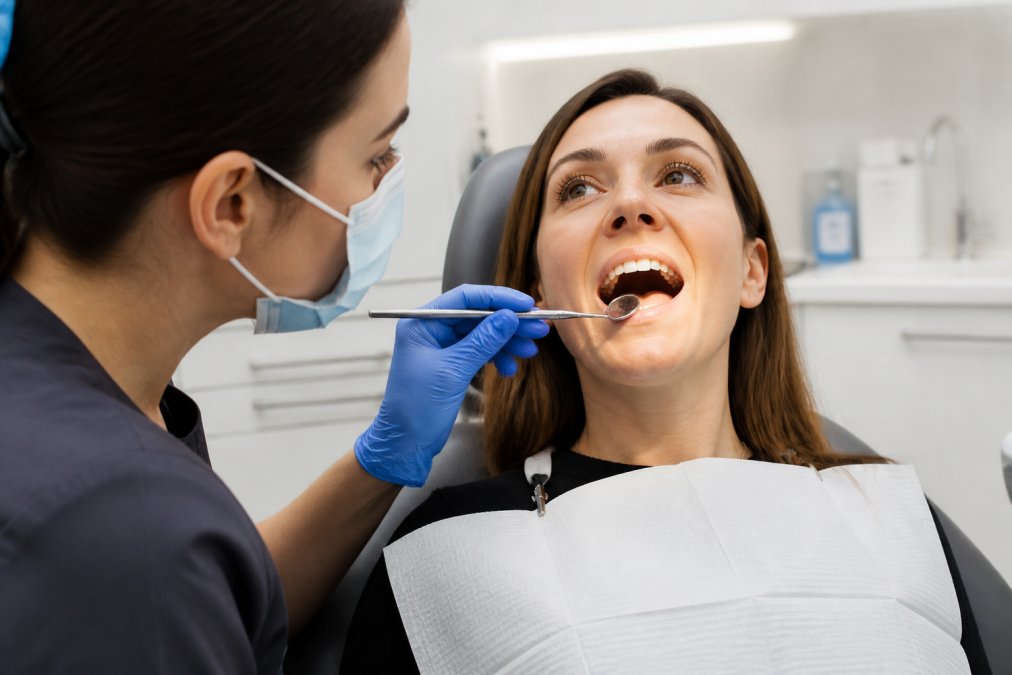
1. Dental Bonding, Best for Minor Cracks and Chips
Dental bonding uses a tooth-coloured composite resin applied directly to the damaged area, then hardened with a special light (the American Dental Association). It is the quickest fix, often completed in a single appointment.
Bonding works well for small surface cracks, enamel fractures, and cosmetic chips on front teeth. It is minimally invasive, but composite resin can stain and is less resistant to biting pressure than a porcelain crown.
2. Dental Crowns, Best for Significant Structural Damage
A dental crown is a custom-made cap covering the entire visible portion of the tooth, restoring strength and function. When a crack is too large for bonding but the root remains healthy, a crown prevents the fracture from spreading.
Crowns are typically made from porcelain, ceramic, or metal, matched to your natural tooth shade (mouthhealthy.org). This option requires two visits and removes some natural tooth structure.
3. Root Canal Therapy, Best for Cracks Reaching the Nerve
When a crack extends into the pulp chamber, you will likely experience significant pain when biting or consuming hot and cold foods. Root canal therapy removes the damaged pulp, cleans and disinfects the canals, and seals the tooth to prevent reinfection.
This treatment saves the natural tooth when extraction would otherwise be the only option. The procedure is performed under local anaesthesia, so discomfort is minimal, though a crown is usually recommended afterwards.
4. Dental Veneers, Best for Front Teeth with Aesthetic Damage
Dental veneers are thin, custom-made shells covering the front surface of teeth. They suit front teeth with surface-level cracks that affect appearance but don't compromise structural integrity.
Veneers are typically made from porcelain, which resists staining better than composite resin. The process removes a thin layer of enamel, making it irreversible, and they are not suitable for structural cracks under biting pressure. After your veneers are fitted, professional teeth whitening can help ensure the surrounding teeth match your new smile's bright shade.
5. Dental Implants, Best for Teeth That Cannot Be Saved
In cases of severe vertical root fractures or cracks extending deep below the gumline, the tooth may not be salvageable. When extraction becomes necessary, a dental implant offers the most durable long-term replacement.
A dental implant consists of a titanium post that integrates with the jawbone, topped with a natural-looking crown. This approach prevents bone loss and functions like a natural tooth, though it involves surgery and several months of healing.
| Repair Method | Best For | Appointments | Durability |
|---|---|---|---|
| Dental Bonding | Minor cracks, chips | 1 visit | 3-7 years |
| Dental Crown | Significant structural damage | 2 visits | 10-15 years |
| Root Canal Therapy | Cracks reaching the nerve | 2-3 visits | Tooth saved long-term |
| Dental Veneer | Front teeth, cosmetic damage | 2-3 visits | 10-15 years |
| Dental Implant | Unsavable teeth, extraction needed | Multiple, over months | 15+ years |
Signs of a Cracked Tooth and How to Assess the Damage
A cracked tooth doesn't always announce itself with obvious pain. Common signs include intermittent sensitivity to temperature changes, discomfort when biting or releasing pressure, and pain that comes and goes. Some cracks are visible, while others require a dentist using a periodontal probe or magnification to detect.
Cracked tooth syndrome is a particular challenge because the fracture may be too small to appear on X-rays. Sharp pain when biting that disappears immediately upon release often indicates a cracked cusp.
A basic self-assessment at home, noting when pain occurs, whether hot or cold triggers it, and which tooth is affected, helps your dentist diagnose faster. Only a professional examination can determine the crack's depth and whether the pulp is affected.
When to Book an Emergency Dental Appointment
A cracked tooth becomes a dental emergency with severe pain, exposure of the pulp, or bleeding that doesn't stop. Any crack accompanied by swelling, fever, or a foul taste could indicate an infection and requires urgent attention.
While waiting, manage discomfort with over-the-counter analgesics and avoid chewing on the affected side. Rinsing with warm salt water keeps the area clean.
The NHS advises that emergency dental treatment guidance is available for severe pain, swelling, or trauma. Many private practices, including Rodney Street Dental, reserve same-day slots for patients in acute discomfort. If you're unsure whether your situation warrants urgent care, call your practice and describe your symptoms. Trained staff can advise whether you need immediate treatment or can wait for a routine appointment.
What to Expect: Recovery and Long-Term Prognosis
Recovery depends on the treatment. Bonding requires no downtime, though avoid chewing on the repaired tooth for the first 24 hours. Crown placement may cause temporary gum sensitivity.
Root canal therapy typically involves a few days of soreness. Dental implant recovery is the most involved, with several months of healing while the titanium post integrates with the bone.
Long-term prognosis varies by treatment and severity. Bonding may need replacement after several years, particularly with habits like nail-biting or grinding. Crowns and veneers can last well over a decade with good oral hygiene, and implants can last for decades.
A cracked tooth is treatable, and delaying care rarely improves the outcome. Early intervention typically means simpler, more affordable options. If you're experiencing any signs of a cracked tooth, contact Rodney Street Dental today. Our fully-qualified team offers bespoke treatment plans with video walkthroughs, using trusted brands like Straumann and BioHorizons for restorative work and Philips Zoom for teeth whitening. We provide compassionate, CQC and GDC registered care to help you achieve a healthy, confident smile.
Our Services and Products
- Dental Implants
- Orthodontics (Invisalign, Fastbraces)
- Professional Teeth Whitening
Frequently Asked Questions
Can a cracked tooth heal on its own?
No, a cracked tooth will not heal on its own. Unlike bone or skin, tooth enamel cannot regenerate. Without treatment, the crack can deepen, leading to increased pain, sensitivity, and a higher risk of infection. Even if symptoms are mild, you should see a dentist to assess the crack and recommend the most appropriate way to fix it, such as bonding or a crown.
How long can you wait before seeing a dentist for a cracked tooth?
You should not wait to see a dentist if you suspect you have a cracked tooth. While a minor chip may not be an emergency, a structural crack can worsen quickly, especially when you bite or chew. If you are in significant pain, have a sharp edge cutting your tongue, or notice a piece of the tooth moving, you should book an emergency dental appointment immediately to prevent further damage.
What is the difference between a minor chip and a structural crack?
A minor chip typically affects only the outer enamel and often causes little to no pain. It can usually be repaired with dental bonding or re-contouring. A structural crack extends deeper into the dentin or pulp chamber, causing pain when biting or sensitivity to temperature. These cracks often require more involved treatment, such as a crown or root canal therapy, to save the tooth.
This article was written using GrandRanker
Frequently Asked Questions
Q: Can a cracked tooth heal on its own?
A: No, a cracked tooth will not heal on its own. Unlike bone or skin, tooth enamel cannot regenerate. Without treatment, the crack can deepen, leading to increased pain, sensitivity, and a higher risk of infection. Even if symptoms are mild, you should see a dentist to assess the crack and recommend the most appropriate way to fix it, such as bonding or a crown.
Q: How long can you wait before seeing a dentist for a cracked tooth?
A: You should not wait to see a dentist if you suspect you have a cracked tooth. While a minor chip may not be an emergency, a structural crack can worsen quickly, especially when you bite or chew. If you are in significant pain, have a sharp edge cutting your tongue, or notice a piece of the tooth moving, you should book an emergency dental appointment immediately to prevent further damage.
Q: What is the difference between a minor chip and a structural crack?
A: A minor chip typically affects only the outer enamel and often causes little to no pain. It can usually be repaired with dental bonding or re-contouring. A structural crack extends deeper into the dentin or pulp chamber, causing pain when biting or sensitivity to temperature. These cracks often require more involved treatment, such as a crown or root canal therapy, to save the tooth.