 comparison
Porcelain Veneers vs Dental Bonding for Bridal Smiles
Table of Contents
- Porcelain Veneers vs Dental Bonding: Key Differences for Your Smile
- Composite Bonding vs Porcelain Veneers Lifespan: What Lasts Longer?
- Cosmetic Dentistry Timeline for Weddings: Planning Your Smile Transformation
- Is Composite Bonding Reversible? What You Need to Know
- Frequently Asked Questions
Last Updated: August 24, 2026
Porcelain Veneers vs Dental Bonding: Key Differences for Your Smile
When planning a wedding, your smile matters. Understanding the key differences between porcelain veneers and composite bonding will help you choose the right cosmetic treatment for your big day.
Porcelain veneers are custom-made ceramic shells bonded to the front of your teeth, lab-fabricated to match your desired shade, shape, and size. Composite bonding uses tooth-coloured resin applied directly to your tooth surface in a single appointment, sculpted and polished chairside.
The core distinction lies in durability, reversibility, and timeline. Porcelain veneers are irreversible once enamel is prepared, but highly stain-resistant and typically last 10-15 years or more (the American Dental Association). Composite bonding preserves natural tooth structure with minimal enamel removal, making it reversible, though more prone to staining and lasting 5-7 years.
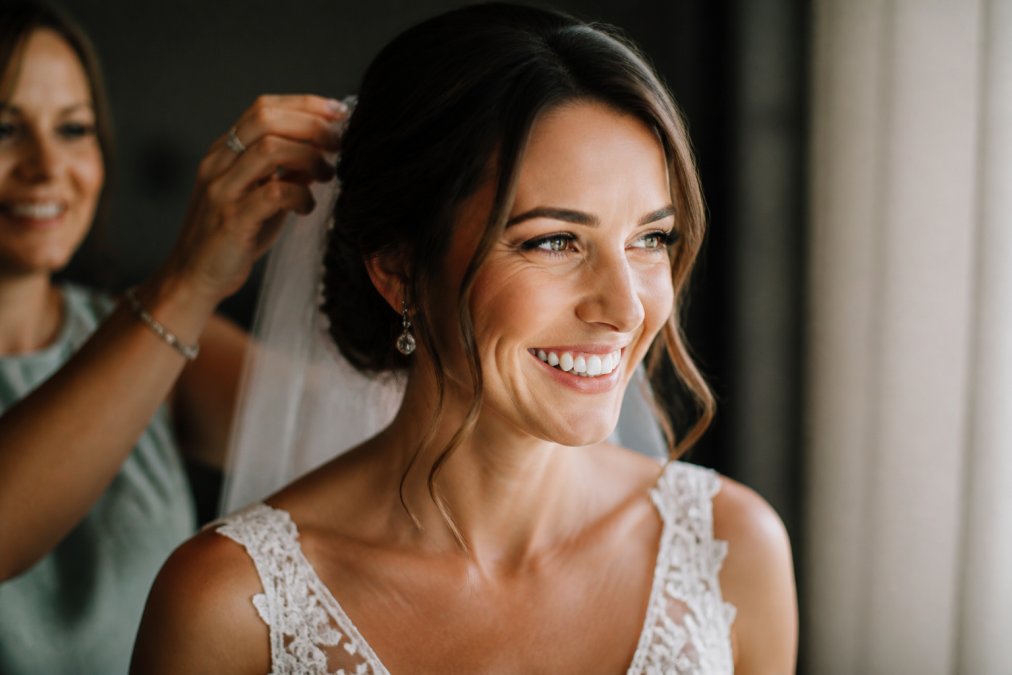
For bridal smiles, the choice depends on your timeline, budget, and aesthetic goals. If you want a dramatic, long-lasting transformation with time to plan, porcelain veneers deliver superior results. For quick fixes on minor imperfections, composite bonding works well. Many brides combine both approaches for optimal balance.
Composite Bonding vs Porcelain Veneers Lifespan: What Lasts Longer?
Porcelain veneers typically last 10-15 years or longer with proper care, whilst composite bonding usually requires replacement every 5-7 years due to wear, staining, and chipping (peer-reviewed research). Porcelain is inherently stain-resistant and doesn't degrade under normal wear, whereas composite resin is more susceptible to surface staining from coffee, red wine, and tobacco.
For a bride planning a smile transformation, porcelain veneers offer better long-term value if you want results lasting through years of photographs and events. Composite bonding suits those treating minor concerns with reversibility and shorter commitment.
Cosmetic Dentistry Timeline for Weddings: Planning Your Smile Transformation
Timing varies significantly depending on which treatment you choose. Composite bonding can be completed in a single appointment, typically 30-60 minutes per tooth, making it ideal for tight timelines or minor imperfections close to your wedding day (the American Dental Association).
Porcelain veneers require longer. The process involves two appointments: an initial consultation and preparation visit (60-90 minutes), followed by a second appointment 1-2 weeks later for bonding (30-60 minutes). For a complete smile makeover involving 6-10 teeth, plan 4-8 weeks from initial consultation to final result.
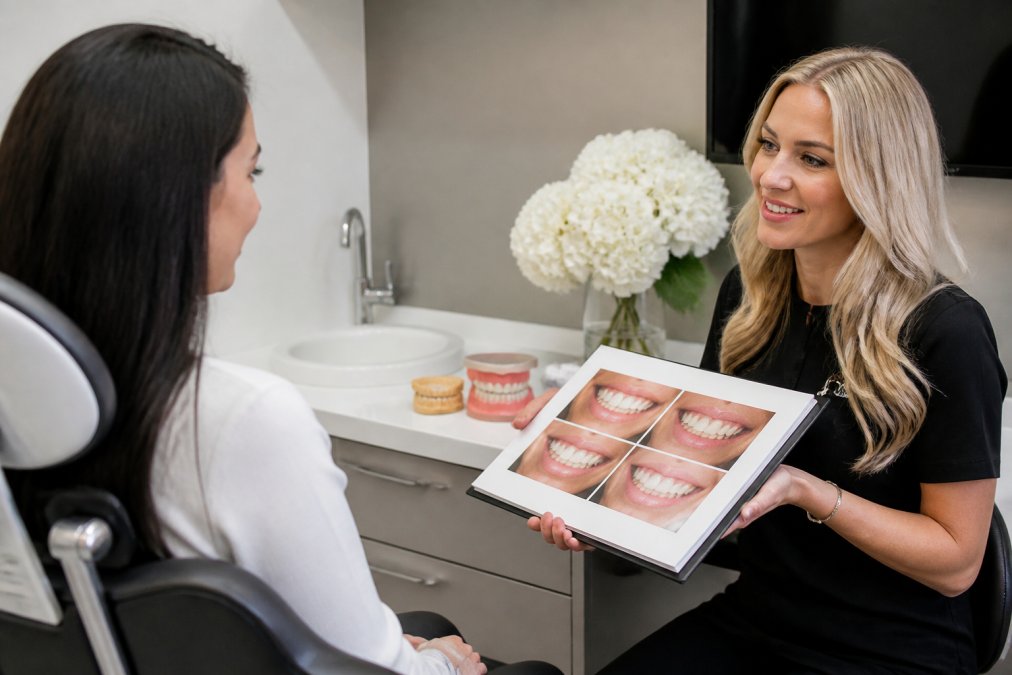
Start consultations at least 6-8 months before your wedding. This allows time for treatment, adjustments, and photography tests. Both treatments are generally pain-free, though some temporary temperature sensitivity can occur after veneers are placed.
Is Composite Bonding Reversible? What You Need to Know
Composite bonding's biggest advantage is reversibility. Because resin is applied directly to your tooth surface with minimal enamel removal, it can be removed or replaced without permanent changes to your natural teeth. This makes it ideal for brides wanting to test cosmetic changes before committing to permanent solutions.
However, reversibility isn't consequence-free. Removing bonding after years may leave slight surface roughness requiring polishing. Porcelain veneers are generally irreversible, once enamel is prepared, it cannot be fully restored, though veneers can be replaced.
For bridal smiles, composite bonding lets you reverse course if experimenting with a new aesthetic. Porcelain veneers offer permanence and superior aesthetics if committing to a specific smile design long-term.
Choosing between porcelain veneers and composite bonding depends on your timeline, budget, and long-term aesthetic goals. At Rodney Street Dental in Liverpool, we specialise in bespoke cosmetic dentistry treatments designed for your smile transformation. Our team offers professional teeth whitening, composite bonding, and porcelain veneers, all delivered with clinical excellence and compassionate care. Whether you need a quick cosmetic refresh or a complete smile makeover, we'll create a tailored treatment plan for your big day. Contact Rodney Street Dental to book your consultation and start planning your wedding smile today.
Frequently Asked Questions
How long before my wedding should I get porcelain veneers or composite bonding?
Composite bonding can be completed in a single appointment, making it suitable for weddings just weeks away. Porcelain veneers require at least two appointments over 1-2 weeks, plus time for laboratory fabrication. For optimal results and comfort, plan porcelain veneers 8-12 weeks before your wedding. This allows time for any adjustments and ensures your smile looks and feels natural on your big day.
Is composite bonding reversible, and does that matter for a wedding?
Yes, composite bonding is largely reversible because it involves minimal or no enamel removal. The resin can be gently removed without permanent damage to your tooth structure. For bridal planning, this flexibility is valuable if you want to try a new smile aesthetic before committing to a longer-term solution. However, if you're seeking a smile that will remain flawless throughout your wedding day and photographs, the durability of porcelain veneers may be more reassuring.
Which option photographs better for wedding pictures?
Porcelain veneers typically photograph exceptionally well because their ceramic shells mimic natural tooth translucency and reflect light similarly to healthy natural teeth. Composite bonding also produces attractive results, but may show subtle differences under professional photography lighting or over time due to potential minor staining. Both can look stunning in photographs when matched to your skin tone and facial features through proper smile design consultation.
This article was written using GrandRanker