 how-to
Prevent Tooth Sensitivity Before Whitening
Table of Contents
- Why Whitening Can Cause Tooth Sensitivity
- How to Prepare Sensitive Teeth: A Step-by-Step Timeline
- Using Sensitive Toothpaste Before Teeth Whitening
- Frequently Asked Questions
Last Updated: October 13, 2026
Why Whitening Can Cause Tooth Sensitivity
Tooth sensitivity during whitening happens because the bleaching gel penetrates the tooth structure and irritates the nerve inside, causing discomfort or pain, which is why many patients seek ways to prevent tooth sensitivity whitening.
Whitening uses peroxide to break down stains, but peroxide also temporarily makes teeth more porous, exposing the dentin to temperature changes and other irritants.
If your teeth are already sensitive, the gel can seep through microscopic gaps in your enamel and reach the nerve, making preparation beforehand essential.
How to Prepare Sensitive Teeth: A Step-by-Step Timeline
Start preparing your teeth at least two weeks before whitening so they can strengthen and adjust.
Week 1-2 Before Whitening:
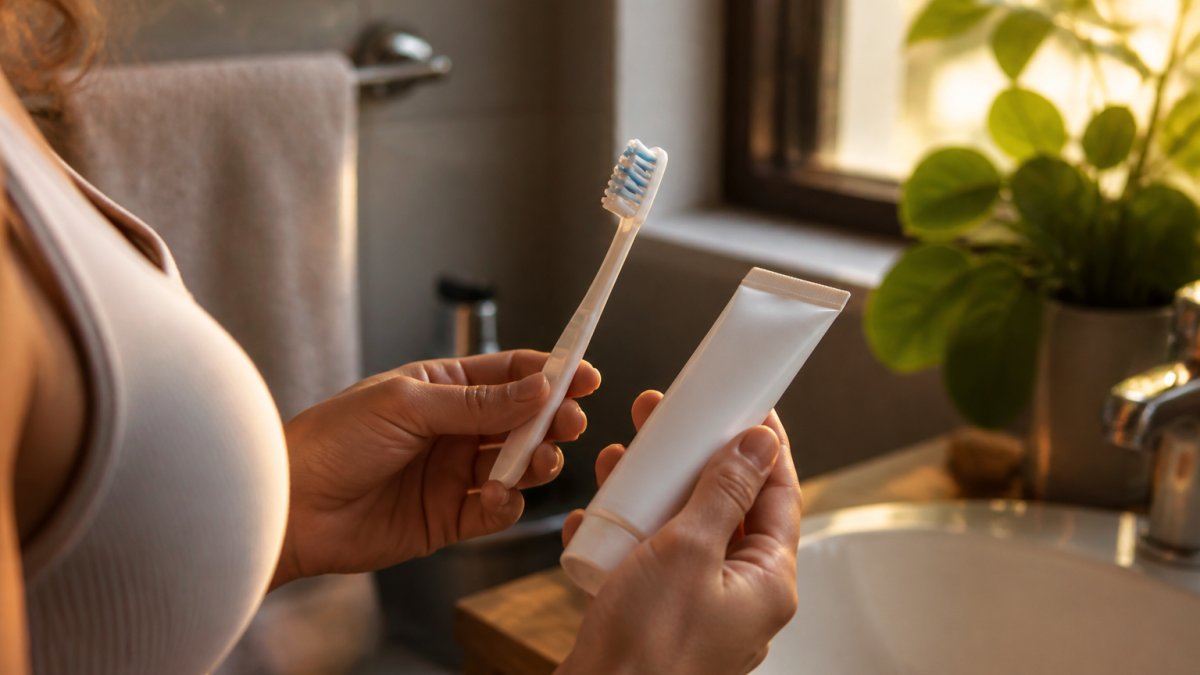
- Switch to a sensitive-teeth toothpaste
- Brush gently twice daily with a soft-bristled toothbrush
- Avoid acidic foods and drinks (citrus, fizzy drinks, wine)
- Stop at-home whitening products
The Week of Whitening:
- Continue using sensitive toothpaste
- Avoid aggressive brushing and very hot or cold foods and drinks
- Skip whitening for a few days if sensitivity starts
- Keep using sensitive toothpaste for at least one week
- Maintain gentle brushing
- Avoid staining foods (coffee, red wine, dark berries) (Source: the British Dental Association's advice)
At Rodney Street Dental, we recommend this timeline to every patient preparing for whitening treatment to reduce discomfort and keep teeth healthy.
Using Sensitive Toothpaste Before Teeth Whitening
Sensitive toothpaste works by blocking pathways to the tooth nerve. It creates a protective barrier over exposed dentin, so use it for at least two weeks before your whitening appointment.
Look for toothpaste containing potassium nitrate (reduces nerve sensitivity), fluoride (strengthens enamel) or strontium chloride (blocks sensation).
Brush twice daily with a soft-bristled toothbrush using gentle, circular motions, don't scrub hard.
If standard sensitive toothpaste doesn't help, ask your dentist about professional desensitizing varnishes or gels, which offer stronger protection.
Preparing your teeth properly helps prevent tooth sensitivity whitening and makes the process safer and more comfortable. Start early, use the right products, and follow a clear timeline. If you're ready to whiten your teeth safely, we offer professional whitening treatments designed for sensitive teeth. Our team will assess your teeth, recommend the best approach for you, and monitor your comfort throughout the process. Contact Rodney Street Dental to book your consultation and learn how we can help you achieve a brighter smile without the sensitivity.
Frequently Asked Questions
Should I use sensitive toothpaste before teeth whitening?
Yes. Start using a fluoride-based sensitive toothpaste before your whitening appointment. This allows the desensitising ingredients to work gradually, strengthening enamel and reducing nerve irritation. Continue using it after treatment to manage any post-whitening discomfort. Brush gently twice daily with a soft-bristled toothbrush to avoid further enamel wear.
How long does teeth whitening sensitivity last?
Sensitivity from whitening typically subsides within 24-48 hours after treatment, though some people experience mild discomfort for a few days. If sensitivity persists beyond a week, contact your dentist. Pre-treatment preparation with sensitive toothpaste and fluoride applications significantly reduces both the severity and duration of post-treatment sensitivity.
Can I whiten my teeth if they are already sensitive?
Yes, but careful preparation is essential. If you have existing sensitivity, begin a pre-whitening routine in advance using sensitive toothpaste and avoiding acidic foods and drinks. Professional whitening is often safer than at-home products for sensitive teeth because dentists can apply protective measures like fluoride varnish and ensure proper tray fit to prevent gel leakage.