 how-to
Can Whitening Gel Cause Permanent Sensitivity?
Table of Contents
- Can Whitening Gel Cause Permanent Sensitivity?
- How Long Does Whitening Sensitivity Last?
- How to Relieve Sensitive Teeth After Whitening
- Frequently Asked Questions
Last Updated: October 10, 2026
Can Whitening Gel Cause Permanent Sensitivity?
Can whitening gel cause permanent sensitivity? Whitening gel can cause temporary sensitivity in your teeth, but permanent damage is extremely rare when you follow product instructions carefully. The sensitivity you feel during or after whitening is usually a sign that the bleaching gel is working, not that you've harmed your teeth permanently.
Whitening gels contain hydrogen peroxide or carbamide peroxide that bleach tooth colour. As the gel works, fluid moves through microscopic dentinal tubules towards the nerve, triggering temporary ache, especially with hot or cold foods.
This sensitivity typically resolves within 24 to 48 hours after you stop whitening, and your tooth structure suffers no lasting damage from professional or over-the-counter products when used correctly.
At Rodney Street Dental, we help patients understand what to expect before they start teeth whitening treatment, so sensitivity doesn't come as a shock.
How Long Does Whitening Sensitivity Last?
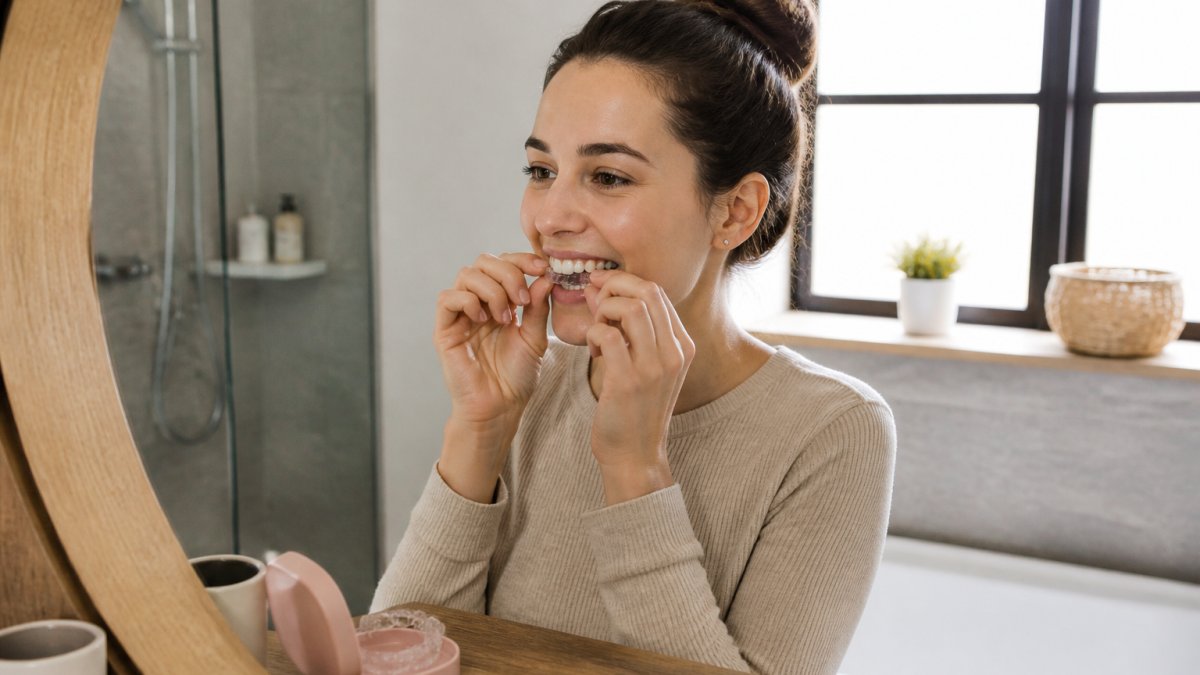
Most people experience whitening sensitivity for a few hours to a couple of days after treatment, depending on several factors:
Baseline sensitivity, peroxide concentration, contact time, and tray fit all affect duration. Higher-strength gels cause sharper but shorter-lived sensitivity; poor-fitting trays allow gel to leak onto gums, worsening discomfort.
If sensitivity lingers beyond 48 hours, pause treatment and use desensitising toothpaste with potassium nitrate or fluoride to block tubules and reduce nerve stimulation.
How to Relieve Sensitive Teeth After Whitening
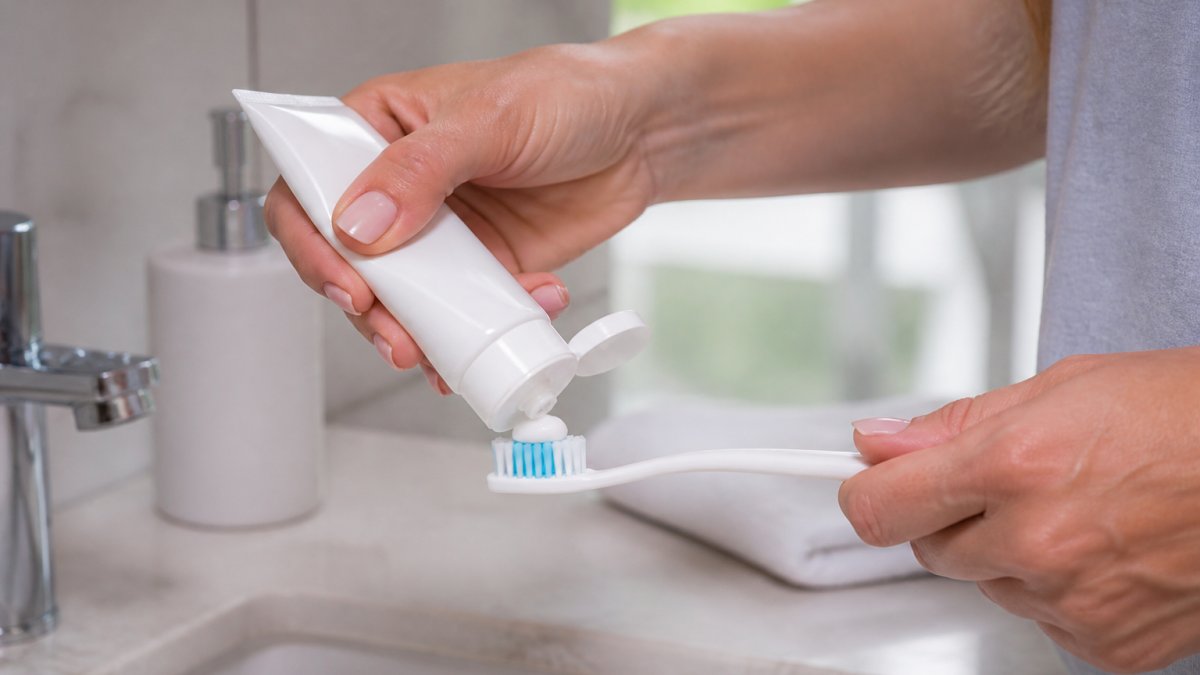
Use desensitising toothpaste twice daily for three to five days; potassium nitrate or fluoride seals dentinal tubules and calms nerve response, with relief typically within one to two applications.
Avoid very hot, cold, and acidic foods (citrus, wine, vinegar) whilst your teeth recover; stick to room-temperature, neutral-pH foods until aching stops.
Space out your whitening sessions. If you're using take-home trays or whitening strips, follow the product instructions exactly. Never extend treatment duration or use the gel more frequently than recommended. Many people make sensitivity worse by trying to speed up results.
Check your tray fit. If you're using custom or generic whitening trays, ensure they fit snugly without letting gel seep onto your gums. Gum irritation is different from tooth sensitivity, but both feel uncomfortable and both are preventable with proper tray placement.
When should you see a dentist? If sensitivity persists beyond one week, or if you notice chips, cracks, or visible damage to your teeth, book a consultation. Underlying dental problems, like worn enamel, receding gums, or existing decay, can make sensitivity worse and may need treatment before you whiten again.
Frequently Asked Questions
Is sensitivity from whitening permanent?
No. Whitening gel sensitivity is almost always temporary. It occurs because peroxide in the bleaching gel penetrates the enamel and dentin, creating fluid movement in microscopic dentinal tubules that stimulate the tooth nerve. This response typically resolves within 24-48 hours to a few days after treatment ends. Permanent damage is extremely rare when you follow product instructions and use professional-grade or over-the-counter whitening products as directed. If sensitivity persists beyond a week, contact your dentist to rule out underlying dental problems such as chips, cracks, or gum recession.
How long do teeth feel sensitive after whitening?
Most people experience sensitivity for 24-48 hours after whitening treatment. Some sensitivity may linger for a few days, depending on the peroxide concentration used and your individual tooth sensitivity. Take-home whitening trays and whitening strips tend to cause milder sensitivity than professional whitening because they use lower peroxide concentrations. If you have naturally sensitive teeth or existing gum irritation, sensitivity may last slightly longer. Desensitising toothpaste containing potassium nitrate or fluoride can help reduce discomfort during this period.
What should I do immediately after sensitivity starts?
Stop using the whitening product right away. Rinse your mouth with water and avoid very hot or cold foods and drinks for the next few hours. Apply a desensitising toothpaste with potassium nitrate or fluoride to the sensitive areas, following the product instructions. If sensitivity is severe or sharp pain develops, hold a cold compress against your cheek for short periods. Pause further whitening treatments until sensitivity fully resolves. If pain continues beyond 48 hours or worsens, contact your dentist to check for underlying dental problems or gum damage.
Whitening sensitivity is manageable and temporary in nearly all cases. If you'd like to explore professional whitening with guidance tailored to your tooth sensitivity, Rodney Street Dental offers bespoke whitening treatment plans designed to minimise discomfort. Our team assesses your baseline sensitivity and recommends the right strength and application method for your teeth. Contact us to discuss how we can help you achieve a brighter smile safely.