 how-to
NHS Dental Bridge Cost: A Patient's Guide
Table of Contents
- What Is a Dental Bridge?
- Understanding NHS Dental Treatment Bands
- Help With NHS Dental Costs
- Dental Bridge vs Implant: Which Is Right for You?
- Frequently Asked Questions
Last Updated: September 3, 2026
What Is a Dental Bridge?
A dental bridge is a fixed prosthetic device that replaces one or more missing teeth by anchoring to the adjacent natural teeth or dental implants. It literally bridges the gap created by tooth loss, restoring both function and appearance. The bridge consists of crowns placed on the abutment teeth (the teeth on either side of the gap) with a false tooth or teeth suspended between them.
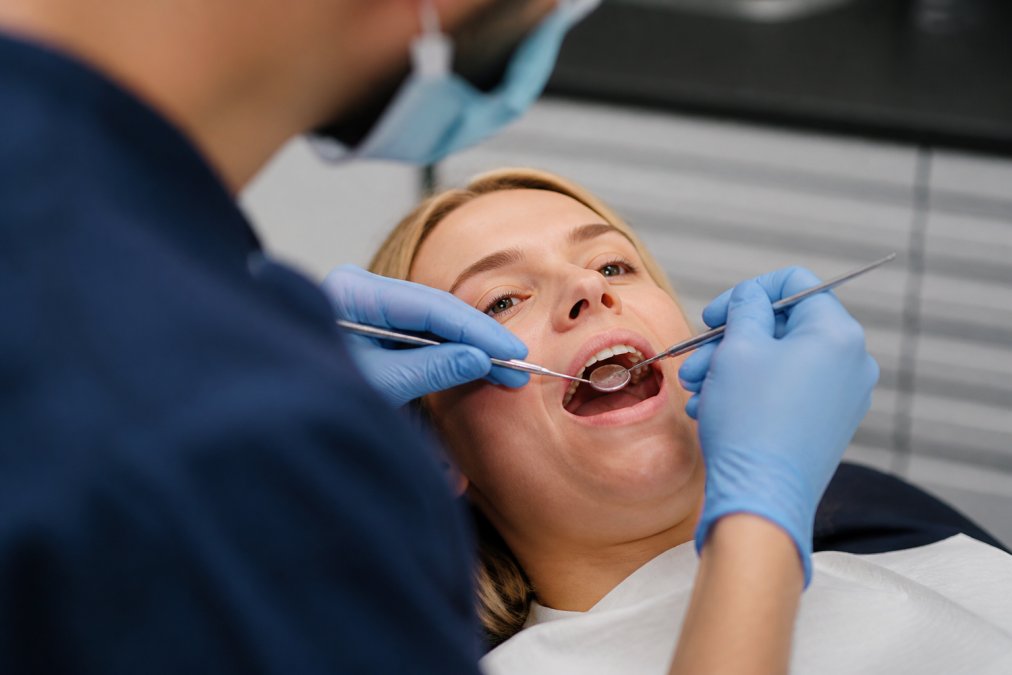
The false tooth, called a pontic, is custom-made to match your natural teeth in colour, shape, and size. Unlike removable dentures, a dental bridge is permanently fixed in place, offering stability and comfort. Most bridges are made from porcelain fused to metal or all-ceramic materials, both of which provide excellent durability and aesthetic results (the American Academy of Dermatology).
When you're missing teeth, the remaining teeth can shift out of alignment, affecting your bite and making cleaning more difficult. A bridge prevents this drift and restores your ability to chew properly. The procedure typically involves two appointments: the first for tooth preparation and impression taking, and the second for fitting and cementing the bridge into place.
Understanding NHS Dental Treatment Bands
The NHS organises dental treatment into three bands, each with a set patient contribution. Understanding how a dental bridge fits within this system is essential for managing costs. A dental bridge on the NHS typically falls under Band 3 treatment, which covers more complex restorative work.
Band 3 includes treatments such as crowns, bridges, dentures, and other complex restorative procedures. Your patient contribution depends on the complexity of the work required. The NHS sets the treatment band based on clinical necessity, whether the bridge is needed to restore function and oral health rather than for purely cosmetic reasons.
Eligibility for NHS dental treatment requires you to be registered with an NHS dentist. Some patients qualify for help with NHS dental costs if they receive certain benefits or meet income thresholds. Exemptions apply to children, pregnant women, nursing mothers, and those on certain means-tested benefits.
Help With NHS Dental Costs
If you're concerned about affording a dental bridge, several support options exist. Help with NHS dental costs is available through the NHS Low Income Scheme for those who qualify based on income. You can check your eligibility by contacting your local NHS dentist or visiting the official NHS website for current information on financial assistance.
Some patients find that the waiting time for NHS treatment is longer than expected, particularly for complex cases like bridges. If you're unable to wait or prefer a faster route, private dentistry offers immediate appointments and often more personalised treatment planning. Many private practices, including those offering bespoke treatment plans, can complete bridge work within weeks rather than months. Once your bridge is in place, you may also wish to explore cosmetic options such as teeth whitening to enhance your overall smile and ensure your new bridge blends seamlessly with your natural teeth.
The cost difference between NHS and private treatment is significant, but so is the speed and level of customisation. Private dentists typically spend more time assessing your specific needs and creating a treatment plan tailored to your goals. This personalised approach often results in better aesthetic outcomes and longer-lasting results.
Dental Bridge vs Implant: Which Is Right for You?
Choosing between a dental bridge and a dental implant depends on several factors, including the condition of your adjacent teeth, bone structure, budget, and long-term goals. A dental bridge requires the dentist to prepare the neighbouring teeth by removing some enamel, which is a permanent alteration. Implants, by contrast, are standalone replacements that don't affect adjacent teeth.
Implants offer superior longevity, many last 20+ years with proper care, whereas bridges typically need replacement every 10-15 years (peer-reviewed research). However, implants require sufficient bone density and involve a surgical procedure with a longer treatment timeline (often 3-6 months for full integration) (the American Dental Association). Bridges are quicker to place and require no bone grafting if your adjacent teeth are healthy.
From a functional perspective, both restore chewing ability effectively. Implants feel more like natural teeth because they're anchored directly into the jawbone. Bridges rely on the abutment teeth for support, which means those teeth bear additional load.
Cost is another consideration. On the NHS, a bridge is typically more affordable upfront than an implant. Private implant treatment usually costs more than a private bridge, though the longer lifespan may justify the investment for some patients. Your dentist can assess your individual situation and recommend the best option based on your oral health, anatomy, and preferences.
Frequently Asked Questions
Can an NHS dentist refuse to provide a dental bridge?
An NHS dentist can decline to provide a bridge if it is not considered clinically necessary for your oral health and function. The decision depends on your individual assessment and the dentist's professional judgment. If your dentist believes a bridge is not necessary, they should explain their reasoning and discuss alternative options with you. You can seek a second opinion from another NHS dentist if you disagree with their assessment.
What are cheaper alternatives to a dental bridge?
Dentures are often less expensive than bridges and can replace multiple missing teeth. Dental implants, whilst initially costlier, offer long-term durability and function. Resin-bonded bridges (also called Maryland bridges) may be cheaper than traditional fixed bridges in some cases. Your dentist can discuss which option suits your budget and clinical needs. Private practices offer various restorative solutions tailored to different price points and preferences.
How do I know if I'm eligible for help with NHS dental costs?
You may qualify for help with NHS dental costs if you receive certain benefits, are under 18, pregnant, or have recently given birth. Income-related support is available through the NHS Low Income Scheme. Contact your local NHS dental practice or visit the official NHS website to check your eligibility and apply for support. Proof of your circumstances will be required, and support can significantly reduce your patient contribution towards treatment.
If you're weighing your options for replacing missing teeth, a thorough consultation with a qualified dental professional is essential. At Rodney Street Dental, we provide bespoke treatment plans that explain each option clearly, including timelines and realistic outcomes. Our team can assess whether a bridge or implant suits your specific needs and help you make a confident decision. Contact us to discuss how we can restore your smile with the approach that works best for you.
This article was written using GrandRanker