 how-to
How to Get a Bone Graft Before Dental Implants in Liverpool
Quick Summary
Bone loss in the jaw does not automatically rule you out of dental implants. Whether you are suitable depends on your jawbone volume, general oral health and medical history, which is assessed at a consultation. A bone graft is a common way to rebuild the foundation when the jaw has thinned.
- Bone loss usually begins after a tooth is lost, as the jaw no longer receives stimulation.
- Your dentist may use 3D imaging to measure the bone and advise whether grafting is needed.
- The process runs from consultation and scans, through treatment planning and graft placement.
- The graft is placed under local anaesthetic, with sedation available if you would like it.
- The graft integrates with existing bone over several months before the implant is placed.
Table of Contents
- Am I a Candidate for Dental Implants After Bone Loss?
- Bone Graft Procedure Steps From Consultation to Placement
- Dental Implant Bone Graft Recovery Time and What to Expect Next
- Frequently Asked Questions
Am I a Candidate for Dental Implants After Bone Loss?
Bone loss in the jaw does not automatically rule you out of dental implants. Whether you are suitable depends on your jawbone volume, your general oral health and your medical history, and this is assessed at a consultation. To understand the implant systems available, read our guide to the best dental implant systems.
Bone loss usually begins after a tooth is lost, because the jaw no longer receives the stimulation it needs to stay strong. Over time the ridge can thin, which makes placing an implant more difficult. A bone graft is a common way to rebuild that foundation. Your dentist may take scans, such as 3D imaging, to measure the bone and advise whether grafting is needed before an implant can be placed. If you are weighing up implants against a bridge, our comparison of implants and bridges explains which suits different situations.
Bone Graft Procedure Steps From Consultation to Placement
A bone graft for dental implants in Liverpool normally follows a clear sequence. You will first have a consultation and scans, then a treatment plan, then the graft itself, followed by a healing period before the implant is placed.
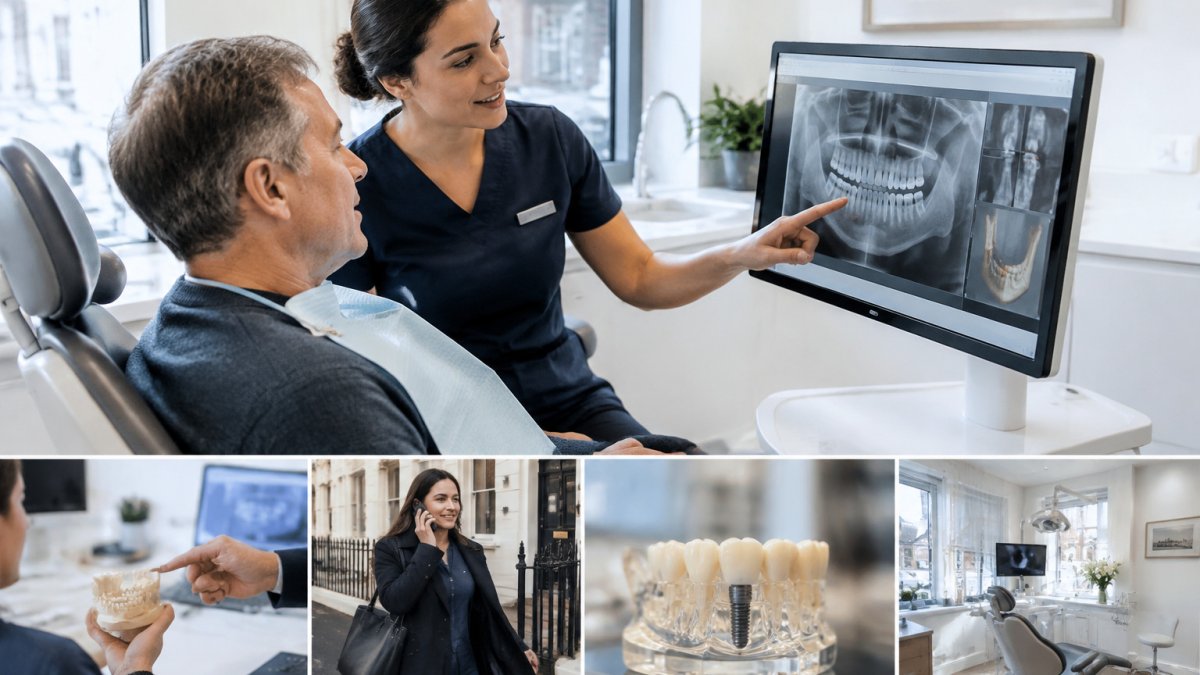
- Consultation and scans: Your dentist examines your mouth and reviews 3D imaging to map the bone.
- Treatment planning: You receive a bespoke plan explaining whether a graft is needed and what it involves.
- Graft placement: The graft is placed under local anaesthetic, with sedation available if you would like it.
- Healing: The graft integrates with your existing bone over several months.
- Implant placement: Once the bone is ready, the implant is fitted.
Pricing depends on the type of graft and the complexity of your case, so please contact Rodney Street Dental directly for a quote. For more on the restorative options available, see our services. If you are also thinking about how your smile looks once treatment is complete, our teeth whitening service can be discussed alongside your implant plan.
The bone graft process follows a clear sequence, from the first consultation through to implant placement.
| Step | What happens | Timing |
|---|---|---|
| Consultation and scans | Dentist examines your mouth and reviews 3D imaging | First visit |
| Treatment planning | You receive a bespoke plan for the graft | After scans |
| Graft placement | Graft placed under local anaesthetic, sedation available | Procedure day |
| Healing | Graft integrates with existing bone | Several months |
| Implant placement | Implant fitted once bone is ready | After healing |
Dental Implant Bone Graft Recovery Time and What to Expect Next
Healing after a bone graft varies from person to person. Your dentist will give you aftercare instructions to follow carefully, and the graft itself usually needs time to heal before an implant can be placed.
If you are ready to take the next step, you can book an appointment to discuss your options with our team.
Frequently Asked Questions
Why is a bone graft necessary before dental implants?
A dental implant needs enough healthy jawbone to anchor it securely. When a tooth has been missing for some time, or has been removed, the bone beneath it can gradually shrink because it is no longer stimulated by chewing. A bone graft adds material to rebuild that volume, giving the implant a stable base to fuse with over time. Whether you need one depends on a scan and examination at a consultation, so a clinician can assess your individual situation before any treatment is planned.
How long does it take for a bone graft to heal before an implant can be placed?
Healing time varies with the type of graft, the area treated and how your body responds. The graft needs time to heal before an implant is placed, so the new bone can join with the existing jawbone. Your dentist will give you a timeline based on your own case, and will check progress with follow-up appointments before going ahead with the implant.
Is bone grafting for dental implants painful?
Some soreness, swelling or tenderness can occur after a bone graft, and your dental team will advise you on managing it. Your recovery experience will depend on the complexity of your treatment, so discuss your concerns and comfort options at your consultation.
Rodney Street Dental offers dental implants, teeth whitening and orthodontics, including Invisalign and Fastbraces, in a calm and welcoming environment. Our team is CQC and GDC registered and builds a bespoke treatment plan for every patient. You can also meet the clinicians who would look after your care.