 how-to
How to Spot the Early Signs of Gum Disease
Last Updated: October 26, 2026
Quick Summary
The early signs gum disease include red or swollen gums, bleeding when you brush or floss, tender gums, and persistent bad breath. Gingivitis is the earliest stage caused by plaque buildup and is reversible with proper care, but untreated it progresses to periodontitis with permanent bone damage.
- Red, swollen, or darker gums are the first visual warning signs to watch for
- Bleeding during brushing or flossing indicates your gums need attention
- Gingivitis is reversible with twice-daily brushing, daily flossing, and antimicrobial mouthwash
- Professional dental cleaning removes tartar that brushing alone cannot eliminate
- Untreated gum disease progresses to periodontitis, causing permanent tooth loss and bone damage
Table of Contents
- What Are the Early Signs of Gum Disease?
- Gingivitis Symptoms and When They Progress
- How to Get Rid of Gingivitis and Gum Disease Treatment
- Frequently Asked Questions
What Are the Early Signs of Gum Disease?
Gum disease starts quietly, and the early signs gum disease are easy to miss until gums bleed or breath smells bad.
Gingivitis is the earliest stage: gum inflammation caused by plaque buildup, and reversible with proper care.
Here's what to watch for:
- Gums that look red or darker than usual
- Swollen or puffy gums
- Bleeding when you brush or floss
- Tender gums that hurt when touched
- Persistent bad breath that doesn't go away
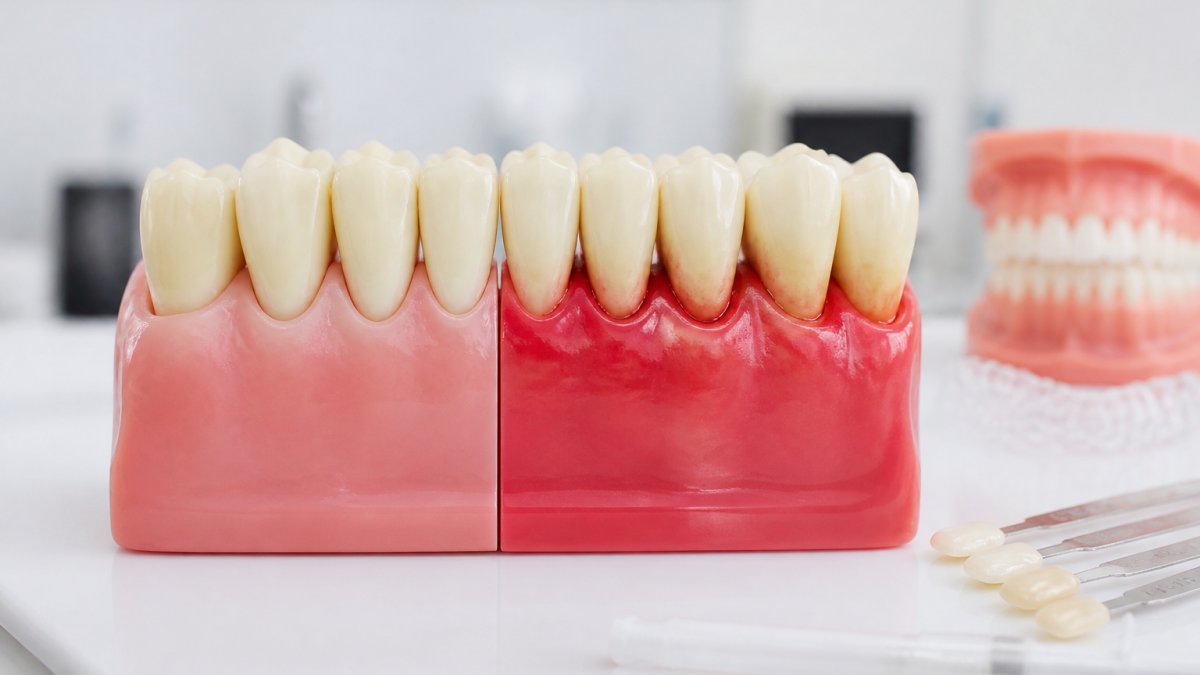
Many people dismiss these signs, assuming bleeding gums are normal or bad breath will pass, but they are warning signals your mouth needs attention.
Watch for these warning signs that your gums need attention.
| Sign | What to Notice |
|---|---|
| Gum colour | Red or darker than usual |
| Gum texture | Swollen or puffy appearance |
| Bleeding | When brushing or flossing |
| Sensitivity | Tender gums that hurt when touched |
| Breath | Persistent bad breath that doesn't go away |
Gingivitis Symptoms and When They Progress
Gingivitis symptoms can appear without pain, so people often don't seek treatment until symptoms become obvious.
The most common early symptoms include:
- Bleeding during brushing or flossing
- Red, swollen, or tender gums
- Gum recession (gums pulling away from teeth)
- Tooth sensitivity
Untreated, gingivitis becomes periodontitis, advanced gum disease where the bone supporting your teeth breaks down, and teeth may loosen, shift or fall out.
Ignoring early signs of gum disease can lead to permanent tooth loss and bone damage.
How to Get Rid of Gingivitis and Gum Disease Treatment
Early-stage gum disease responds well to treatment.
Start with these steps:
- Brush twice daily with a soft-bristled toothbrush
- Floss every day to remove plaque between teeth
- Rinse with an antimicrobial mouthwash
- Book a professional cleaning with your dentist, or learn what to expect from urgent dental checkups for gum disease diagnosis and treatment.
Professional cleaning removes tartar brushing cannot, and a dentist can spot early signs gum disease you might have missed.
At Rodney Street Dental, we provide bespoke treatment plans. We also offer teeth whitening.
Frequently Asked Questions
Is bleeding when brushing always a sign of gum disease?
Bleeding gums when brushing are often an early warning sign of gingivitis or gum disease, but not always. Occasionally bleeding can result from brushing too hard or using a worn toothbrush. If you are concerned about your gums, contact a qualified dental professional.
Can gum disease be present without any symptoms?
Yes. Early gum disease can progress without obvious pain or discomfort. Some people notice no symptoms until the disease has advanced significantly. If you have concerns about your gums, contact a qualified dental professional.
What should I do if I notice bleeding gums or other early signs?
If you notice bleeding gums or other signs that concern you, contact a qualified dental professional for advice.
If you've noticed any early signs of gum disease, don't wait. Gum disease progresses silently, and the longer you delay, the harder it becomes to treat. Explore our gum disease treatment services or book an appointment with our team to address your symptoms with a dentist who listens and cares about your comfort.