 listicle
Benefits of Urgent Dental Checkups: What to Expect
Table of Contents
- Why Urgent Dental Checkups Matter: Fast Relief and Long-Term Protection
- Signs You Need Emergency Dental Care
- What Happens During an Emergency Dental Appointment
- Preventative vs Emergency Dental Care: Where the Real Savings Are
- The Hidden Cost of Waiting: Pain, Anxiety, and Money
- What to Expect from Rodney Street Dental
- Frequently Asked Questions
Last Updated: September 18, 2026
Why Urgent Dental Checkups Matter: Fast Relief and Long-Term Protection
Urgent dental checkups are short-notice appointments to diagnose and treat sudden oral pain, swelling, or injury before it becomes harder to fix. At Rodney Street Dental, we see patients weekly who waited on a problem a single visit could have handled. The benefit is faster pain relief plus earlier intervention, usually simpler treatment and a lower chance of losing a tooth.
Dental problems rarely stay still: a small cavity becomes an abscess, a chipped tooth becomes a fractured one. Early detection during an urgent visit often catches decay and gum disease while preventative dentistry can still do its job.
NHS guidance on dental care and when to seek urgent help
Signs You Need Emergency Dental Care
The clearest signs are severe toothache, facial or gum swelling, bleeding that will not stop, a broken or knocked-out tooth, or a dental abscess. Less obvious signs include a persistent bad taste, a loose adult tooth, or pain that wakes you at night. Dental trauma from a fall or sports injury should always be assessed quickly, even if the tooth looks intact.
What Happens During an Emergency Dental Appointment
An emergency dental appointment follows a clear sequence: triage, examination, diagnosis, and immediate care to relieve pain or stabilise the tooth.
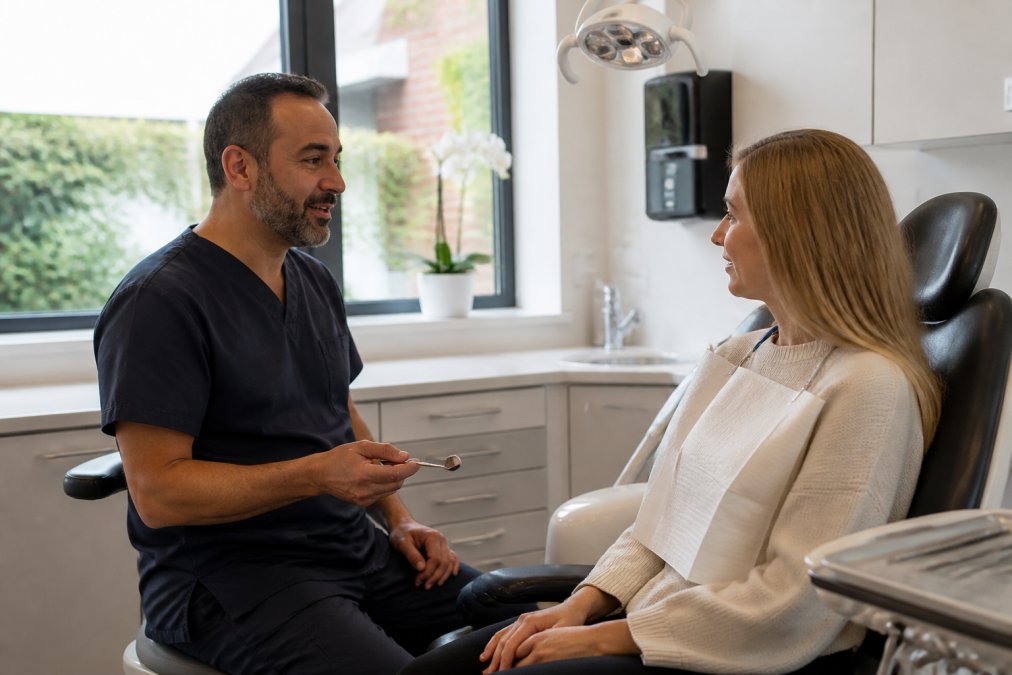
The appointment usually runs like this:
- Triage and history. Your dentist asks when the pain started, what makes it worse, and whether you have swelling or trauma.
- Clinical examination and X-rays. The affected tooth and surrounding gum are checked, and imaging confirms whether infection has reached the root.
- Immediate care. This might be a temporary dressing, abscess drainage, a splint, or a prescription.
- A longer-term plan. Once you are out of pain, your dentist sets out the definitive treatment, whether filling, root canal, crown, or extraction.
Expect some tenderness for a few days, stick to soft food, avoid very hot or cold drinks, and take any prescribed medication exactly as directed. If swelling increases rather than settles, call the practice back.
Preventative vs Emergency Dental Care: Where the Real Savings Are
Preventative dentistry and emergency care are two ends of the same rope. Regular check-ups, dental hygiene appointments, fluoride application, and fissure sealants reduce the chance you will ever need urgent treatment.
The long-term savings sit firmly on the preventative side: a routine check-up that catches early decay is a far smaller commitment than a root canal, a crown, or an implant. Periodontal health is also linked to overall physical health, so persistent gum inflammation deserves attention rather than a mouthwash and hope.
If you are weighing up private care against waiting on an NHS list, private treatment is a different service with a different fee structure.
Oral Health Foundation guidance on preventing gum disease
How do you decide between an urgent visit and a routine one?
If you are in pain, have swelling, or have damaged a tooth, book urgently. If you have no symptoms but cannot remember your last check-up, book a routine appointment. When in doubt, call the practice and describe what you are feeling.
The Hidden Cost of Waiting: Pain, Anxiety, and Money
Untreated dental pain disrupts sleep, concentration, and eating, and wears people down. Patients become anxious about the dentist, avoid booking, and the problem compounds. Breaking that cycle usually starts with one appointment.
What to Expect from Rodney Street Dental
Patients come to us for many reasons, but the common thread is wanting care that is explained clearly and delivered without pressure. We are a private practice in Liverpool, CQC and GDC registered, and every treatment plan is built around your teeth, your goals, and your budget.
What that looks like in practice:
- Bespoke treatment plans with video walkthroughs, so you understand each stage before you agree to it
- Trusted materials and brands, including Straumann and BioHorizons for implants, and Boutique Whitening and Philips Zoom for whitening
- A calm, consultative environment and a fully-qualified team focused on clinical excellence and compassionate care
General Dental Council standards for dental professionals
Frequently Asked Questions
What counts as urgent dental care?
Urgent dental care covers problems needing prompt attention, such as severe toothache, a broken or knocked-out tooth, dental abscess, facial swelling, or bleeding that will not stop. These signs suggest a dental crisis that should be assessed quickly. If you are unsure whether your situation is urgent, contact a dental practice for guidance. NHS urgent dental pathways exist for those who cannot access their regular dentist, while private practices often offer same-day emergency appointments.
Can an urgent dental checkup save you money in the long run?
Yes. Treating a small cavity or early gum disease during an urgent visit usually costs far less than waiting until the problem becomes an abscess, a broken tooth, or an extraction. Early clinical intervention also reduces the risk of complications that need more complex treatment. Spreading the cost of routine care can further reduce the financial shock of unexpected dental bills.
How does an urgent dental checkup prevent long-term complications?
An urgent dental checkup allows a dentist to diagnose the cause of your pain or damage and treat it before it worsens. For example, a small cavity can be filled before it reaches the nerve, and early gum disease can be managed before it causes tooth loss. Prompt care also lowers the risk of infection spreading to other parts of the body, protecting your overall physical health.