 how-to
Whitening Teeth With Enamel Erosion Safely
Table of Contents
- Whitening Teeth With Enamel Erosion: What You Need to Know
- Can You Whiten Teeth That Have Lost Enamel?
- How to Whiten Teeth Naturally Without Damaging Enamel
- Frequently Asked Questions
Last Updated: October 17, 2026
Whitening Teeth With Enamel Erosion: What You Need to Know
Eroded enamel exposes the softer dentin beneath, changing how whitening products interact with your teeth and raising the risk of sensitivity and further damage. (Source: guidance from the General Dental Council)
At Rodney Street Dental, we help patients brighten their smile despite enamel erosion, the key is knowing what's possible, what's safe, and how to approach whitening teeth with enamel erosion safely.
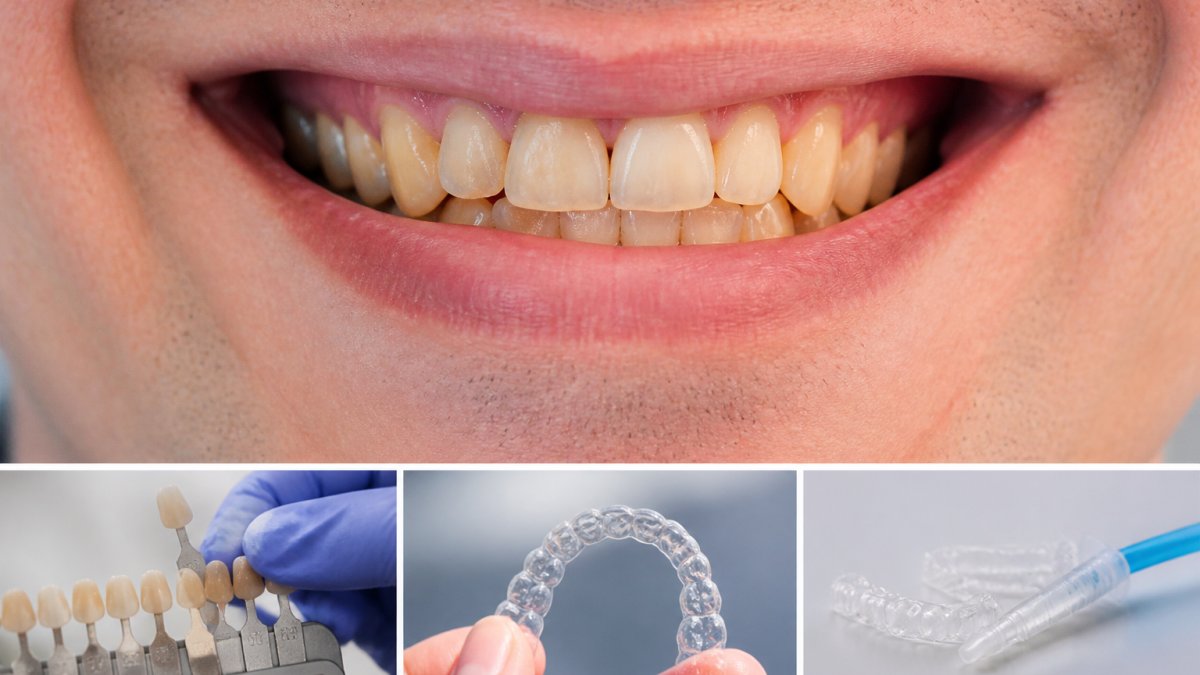
Enamel erosion happens gradually, acidic foods and drinks, aggressive brushing, acid reflux or grinding all strip this layer away, and it doesn't grow back. Whitening eroded enamel therefore needs a different strategy to whitening healthy teeth.
Can You Whiten Teeth That Have Lost Enamel?
Sometimes, but not always, it depends on how much enamel you've lost and what's causing the discolouration.
Surface stains can often be lightened even with moderate erosion, but intrinsic stains inside the tooth are harder when enamel is thin or missing, the agent must penetrate the tooth, and without adequate protection this causes problems.
A dentist can assess whether whitening is safe for you, checking how much enamel remains, whether discolouration is from stains or enamel loss, your sensitivity baseline, and the cause of your erosion.
If your teeth are already sensitive, whitening will likely worsen it, hydrogen peroxide and carbamide peroxide reach the dentin faster and more intensely through compromised enamel.
How to Whiten Teeth Naturally Without Damaging Enamel
Professional teeth whitening under supervision is your best option with eroded enamel; at-home and natural methods carry higher risks.
Why professional whitening is safer: lower concentration of bleaching agents, application by a trained dentist, custom trays that protect your gums, sensitivity management throughout, and realistic expectations set upfront.
Natural methods, baking soda, strawberries, activated charcoal, oil pulling, sound gentle but aren't: many are abrasive or acidic, accelerating damage rather than preventing it.
If you're set on trying something at home: avoid anything abrasive or acidic, use a soft toothbrush with gentle technique, choose whitening toothpaste for sensitive teeth over DIY pastes, limit whitening strips to the shortest recommended time, and stop immediately if sensitivity increases.
Natural whitening won't deliver noticeable results on eroded teeth anyway; professional treatment gives real colour change without the guesswork.
Frequently Asked Questions
Can you whiten teeth that have lost enamel?
Whitening teeth that have lost enamel is possible but requires caution. When enamel is eroded, the underlying dentine becomes exposed, making teeth more porous and sensitive. Whitening products can still lighten discolouration, but the results may be less predictable and sensitivity is more likely. A dental professional can assess whether your teeth are suitable for whitening and recommend the safest approach for your specific situation.
What causes tooth sensitivity after whitening?
Sensitivity after whitening occurs when bleaching agents penetrate through enamel and irritate the nerve inside the tooth. This is more pronounced with eroded enamel because the protective layer is thinner. Using whitening products as directed, choosing lower-concentration formulas, and limiting application time can reduce sensitivity. Applying sensitivity-relief toothpaste before and after treatment also helps. If sensitivity persists, stop whitening and consult your dentist.
Is professional teeth whitening safer than at-home methods for eroded enamel?
Professional whitening offers several advantages for eroded enamel. Dentists can assess the extent of erosion, apply protective barriers to exposed areas, and use controlled concentrations of bleaching agents. They monitor your response during treatment and can adjust the approach if sensitivity develops. At-home products, while convenient, lack this supervision and carry a higher risk of overuse or incorrect application. For compromised enamel, professional guidance significantly reduces the risk of further damage.
If whitening teeth with enamel erosion safely is your goal, professional guidance is essential. We at Rodney Street Dental offer bespoke treatment plans tailored to your specific situation, including professional teeth whitening delivered with clinical care and honest advice about what's realistic for your smile. We'll assess your enamel, discuss your options, and recommend the approach that protects your teeth while delivering the results you want.