 ultimate-guide
What Is a Smile Makeover? Complete Guide to Cosmetic Dentistry
Table of Contents
- What Is a Smile Makeover and How Does It Work?
- Common Cosmetic Dentistry Procedures Included in a Smile Makeover
- How Long Does a Smile Makeover Take?
- What Is a Smile Makeover Cost and Financing Options?
- Smile Makeover Before and After: Real Results and Expectations
- Is a Smile Makeover Right for You? Candidacy and Consultation
- Frequently Asked Questions
Last Updated: July 10, 2026
What Is a Smile Makeover and How Does It Work?
A smile makeover is a customized combination of cosmetic and restorative dental procedures designed to transform the appearance and function of your teeth and smile. Unlike simple teeth whitening, it's a comprehensive treatment plan addressing alignment, shape, color, gum health, and overall dental aesthetics to create a smile matching your unique goals and facial features.
The process begins with a detailed consultation where your dentist evaluates your current smile, listens to your aesthetic goals, and recommends specific procedures tailored to your needs. A true smile makeover considers how your teeth relate to your lips, face shape, and overall proportions, ensuring results look natural rather than overdone.
Most smile makeovers combine multiple procedures performed over weeks or months, depending on complexity. Some treatments happen simultaneously, while others require sequential planning to ensure optimal results.
The Difference Between Cosmetic and Restorative Dentistry
Cosmetic dentistry improves the appearance of your teeth and smile through color, shape, and alignment adjustments. Restorative dentistry repairs damaged or missing teeth and restores oral function. A comprehensive smile makeover blends both approaches because many patients need functional improvements alongside aesthetic enhancements.
Consider a patient with a chipped tooth and discolored enamel. Cosmetic bonding addresses the chip while professional whitening tackles discoloration. If that same patient has a cavity or bite misalignment, restorative work becomes necessary. The best smile makeovers treat the whole picture, both what's visible and what works.
Common Cosmetic Dentistry Procedures Included in a Smile Makeover
A smile makeover typically draws from a menu of proven cosmetic dentistry procedures. Most patients receive three to five procedures as part of their complete transformation.
Teeth Whitening and Professional Bleaching
Professional teeth whitening is one of the most accessible and transformative cosmetic dentistry procedures available. Unlike over-the-counter strips, professional bleaching uses stronger whitening agents applied under controlled conditions, delivering results in a single appointment or short series of sessions.
In-office whitening typically takes 60-90 minutes and can lighten teeth by several shades in one visit. Take-home professional trays provide more gradual results over two to three weeks. Many patients choose professional whitening as their starting point because it instantly brightens their smile and builds momentum for additional cosmetic work. Results typically last six months to two years with proper care and occasional touch-ups.
Porcelain Veneers and Dental Bonding
Porcelain veneers are thin, custom-made shells bonded to the front surface of your teeth. They require minimal tooth preparation and deliver dramatic transformation by changing tooth shape, size, color, and alignment appearance. Veneers are durable, stain-resistant, and look remarkably natural. They last 10-15 years or longer but require ongoing maintenance and eventual replacement.
Dental bonding uses tooth-colored composite resin applied directly to your tooth and hardened with a special light. It's less invasive than veneers, requires no tooth preparation, and costs significantly less. Bonding works well for closing small gaps and fixing minor chips. The trade-off is durability, bonded composite typically lasts 5-7 years before needing touch-ups.
| Procedure | Preparation Required | Durability | Cost Range | Best For |
|---|---|---|---|---|
| Porcelain Veneers | Minimal enamel removal | 10-15 years | Higher | Multiple teeth, dramatic changes |
| Dental Bonding | None | 5-7 years | Lower | Small chips, gaps, minor reshaping |
Invisalign and Orthodontic Solutions
Misaligned teeth are a common reason patients seek smile makeovers. Invisalign uses a series of clear, custom-made aligners that gradually shift teeth into proper position over 12-24 months. Aligners are nearly invisible, removable for eating and cleaning, and cause less discomfort than traditional braces.
Fastbraces offer another option for patients seeking faster results. This accelerated orthodontic system uses triangular brackets and specialized wires to move teeth more efficiently, often completing treatment in 3-12 months. Orthodontic treatment as part of a smile makeover often precedes other cosmetic work, providing a better foundation for veneers, bonding, and whitening.
Dental Implants and Crowns
Missing teeth are a major concern addressed through smile makeovers. Dental implants are the gold standard for tooth replacement because they replace both the visible crown and the tooth root, preserving jawbone structure and providing a permanent solution.
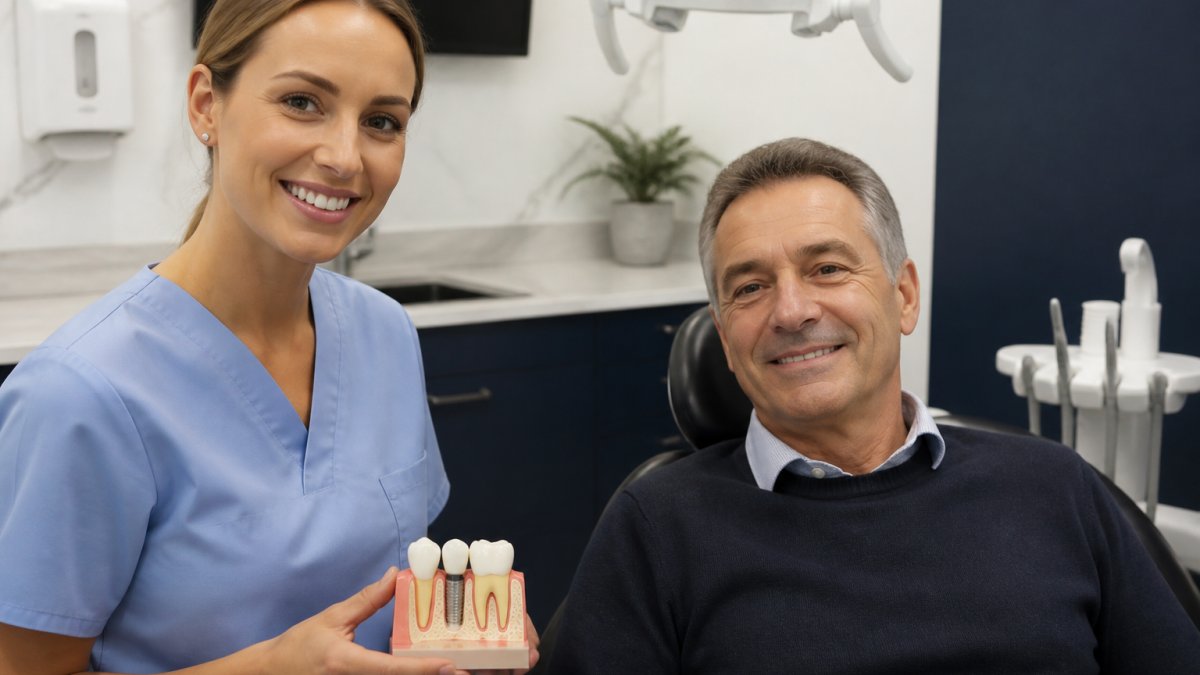
An implant consists of a titanium post surgically placed into your jawbone, a connector called an abutment, and a custom crown that looks and functions like a natural tooth. The process typically takes four to six months from implant placement to final crown placement. All-ceramic crowns offer the most natural appearance and typically last 10-15 years with proper care.
Gum Reshaping and Gingivectomy
Your gum line significantly impacts your smile's appearance. Some patients have a "gummy smile" with excessive gum tissue showing when they smile, while others have uneven gum levels that make teeth appear mismatched in length.
Gum reshaping, also called gingivectomy, uses a laser or scalpel to remove excess gum tissue and create a more proportional gum line. The procedure is quick, minimally invasive, and heals within one to two weeks with immediate, permanent results. Gum contouring also corrects asymmetries where one side of your smile appears higher than the other, creating balance across your entire smile.
How Long Does a Smile Makeover Take?
The timeline for a smile makeover varies dramatically depending on which procedures you choose. Some transformations happen in weeks, while comprehensive cases take six months or longer.
Treatment Timeline by Procedure Type
Professional teeth whitening produces results in a single 60-90 minute appointment. Take-home trays require two to three weeks of gradual lightening. Dental bonding typically requires one to two appointments. Porcelain veneers require a minimum of two appointments: one for preparation and shade selection, and another one to two weeks later for permanent placement.
Invisalign treatment typically spans 12-24 months depending on misalignment extent, with visits every four to six weeks. Fastbraces can achieve similar results in 3-12 months. Dental implants demand the longest timeline, four to six months for osseointegration before the crown is placed. Gum reshaping happens in a single appointment, with final results stabilizing over two to four weeks.
Recovery and Aftercare Considerations
Most cosmetic procedures involve minimal downtime. Professional whitening may cause temporary sensitivity that resolves within days. Dental bonding requires no recovery time. Veneers and crowns have no recovery period, though you may notice slight sensitivity initially.
Invisalign causes mild discomfort for the first few days after inserting new aligners. Gum reshaping involves minor bleeding and swelling that resolves within one to two weeks. Implant recovery is more involved, rest for several days and avoid strenuous activity for one to two weeks, with swelling and bruising peaking around day three.
Maintaining excellent oral hygiene accelerates healing and ensures lasting results. Brush gently, avoid hard or sticky foods during recovery, and follow all post-treatment instructions provided by your dental team.
What Is a Smile Makeover Cost and Financing Options?
Cost varies significantly based on your geographic location, case complexity, and your dentist's experience level. Professional whitening ranges from affordable to moderate investment. Dental bonding costs less than veneers but requires more frequent touch-ups. Veneers represent a significant investment per tooth. Invisalign costs more than traditional braces. Implants are among the most expensive options because they involve surgery and multiple components.
Request a detailed consultation and cost estimate from your dentist to understand what each procedure costs and what results to expect.
Insurance Coverage and Payment Plans
Dental insurance typically doesn't cover purely cosmetic procedures like whitening, bonding for appearance, or veneers. However, if a procedure serves a restorative function, like a crown replacing a damaged tooth or an implant replacing a missing tooth, insurance may cover a portion.
Many dental practices offer financing options to make smile makeovers more accessible. Payment plans spread costs over several months or years. Some offices partner with healthcare financing companies offering promotional rates, including zero-interest periods for qualified patients.
Smile Makeover Before and After: Real Results and Expectations
The most dramatic smile makeovers combine multiple procedures, orthodontics for alignment, whitening for brightness, veneers or bonding for shape and size, and gum reshaping for proportion.
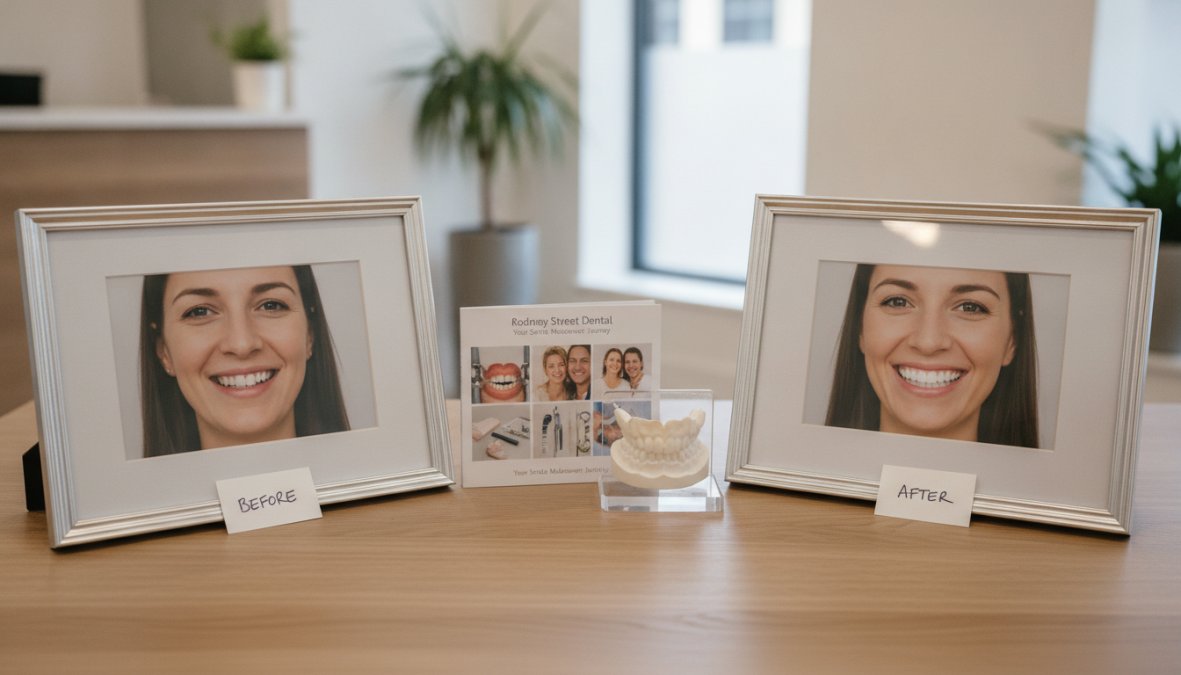
Before-and-after photos from your dentist's portfolio demonstrate their skill and aesthetic sense. Pay attention to whether results look natural and whether the smile complements the person's face.
Digital Smile Design Technology
Modern cosmetic dentistry increasingly uses digital smile design technology to preview results before treatment begins. Your dentist photographs your face and teeth, then uses specialized software to simulate potential outcomes. This technology dramatically improves communication between you and your dentist, reducing surprises and ensuring aligned expectations.
Some practices use augmented reality apps that let you preview veneers or other changes in real-time using your smartphone camera, helping you feel confident about your treatment plan before the first procedure begins.
Psychological Impact and Patient Confidence
The psychological benefits of a smile makeover often exceed the physical transformation. Patients consistently report increased confidence, improved self-esteem, and greater willingness to smile in social and professional situations.
When you feel self-conscious about your teeth, you unconsciously limit your expressions. A successful smile makeover removes these barriers, allowing you to smile more freely and engage more openly in social interactions. Many patients describe their smile makeover as life-changing because improving their teeth unlocked confidence they didn't know they were suppressing.
Is a Smile Makeover Right for You? Candidacy and Consultation
Good candidates for smile makeovers have generally healthy teeth and gums, though some dental issues can be addressed as part of the comprehensive plan. You should be motivated by your own desires rather than external pressure, the best results come from patients who genuinely want to improve their smile for themselves.
Realistic expectations matter enormously. A smile makeover can dramatically improve your appearance, but it won't solve deeper insecurities or relationship problems. Your age, lifestyle, and budget all factor into the decision.
Creating Your Customized Treatment Plan
Your consultation is where your smile makeover journey truly begins. A skilled cosmetic dentist listens carefully to your goals, examines your teeth and face, and recommends specific procedures in a logical sequence.
The best treatment plans address foundational issues first. If you have misaligned teeth, orthodontics might come before veneers. If your teeth are severely discolored, whitening might precede bonding or veneers. A good treatment plan feels logical and achievable, not overwhelming. You should leave the consultation understanding exactly what will happen, when it will happen, and what your smile will look like at the end.
A smile makeover represents an investment in your appearance and confidence. Whether you're addressing years of self-consciousness about your teeth or simply want to enhance an already good smile, the right cosmetic dentistry plan delivers transformative results. Rodney Street Dental specializes in comprehensive smile makeovers using proven procedures like professional whitening, Invisalign, porcelain veneers, and dental implants. Our team creates personalized treatment plans ensuring you understand every step before beginning. Learn more about cosmetic dentistry procedures to explore your options, then contact Rodney Street Dental for a consultation that transforms how you feel about your smile.
Frequently Asked Questions
What exactly is included in a smile makeover?
A smile makeover is a customized combination of cosmetic dentistry procedures designed to enhance your smile's appearance and function. Procedures commonly included are teeth whitening, porcelain veneers, dental bonding, Invisalign or orthodontics, dental implants, crowns, and gum reshaping. Your dentist will assess your smile aesthetics, tooth discoloration, misaligned teeth, and gum line to create a personalized treatment plan that achieves your aesthetic goals while maintaining oral health.
How long does a smile makeover typically take from start to finish?
The treatment timeline varies depending on which procedures you choose. Simple cosmetic treatments like professional teeth whitening can be completed in one or two appointments, while more complex cases involving Invisalign or dental implants may take several months to over a year. Your dentist will provide a detailed treatment timeline during your consultation, breaking down each phase and explaining recovery periods for procedures like implant placement or gum reshaping.
Will insurance cover the cost of a smile makeover?
Most dental insurance plans classify smile makeovers as cosmetic procedures and do not provide coverage. However, if your smile makeover includes restorative elements, such as dental implants replacing missing teeth or crowns restoring damaged teeth, some coverage may apply to those specific restorative components. Payment plans and financing options are often available to make treatment more affordable. Contact your dentist to discuss your specific situation and explore financing alternatives.
Is a smile makeover painful, and what is the recovery like?
Most cosmetic dentistry procedures are minimally invasive and cause little to no discomfort during treatment, as local anesthesia is used when needed. Recovery experiences vary by procedure: teeth whitening requires no downtime, dental bonding and veneers typically have minimal recovery, while dental implants and gum reshaping may involve mild soreness for a few days. Your dentist will provide detailed aftercare instructions to ensure smooth healing and optimal results.
This article was written using GrandRanker