 ultimate-guide
Single Tooth Implant Recovery Time: What to Expect
Table of Contents
- Single Tooth Implant Recovery Timeline: The Complete Picture
- Dental Implant Healing Stages and What Happens at Each
- Post-Operative Care for Dental Implants: Essential Steps
- What to Eat After Dental Implant Surgery: Nutrition for Faster Healing
- Frequently Asked Questions
Last Updated: August 20, 2026
Single Tooth Implant Recovery Timeline: The Complete Picture
A single tooth implant typically requires three to six months for complete osseointegration, though most patients return to normal activities much sooner. Understanding the recovery timeline helps you plan ahead and manage expectations throughout the healing process.
The journey from surgical placement to a fully functional restored tooth involves distinct phases, each serving a specific biological purpose. Your body's natural healing response does most of the work; you simply need to support it with proper care.
Dental Implant Healing Stages and What Happens at Each
The healing process unfolds in predictable stages, each critical to long-term success.
Week 1-2: Initial Healing and Inflammation Control
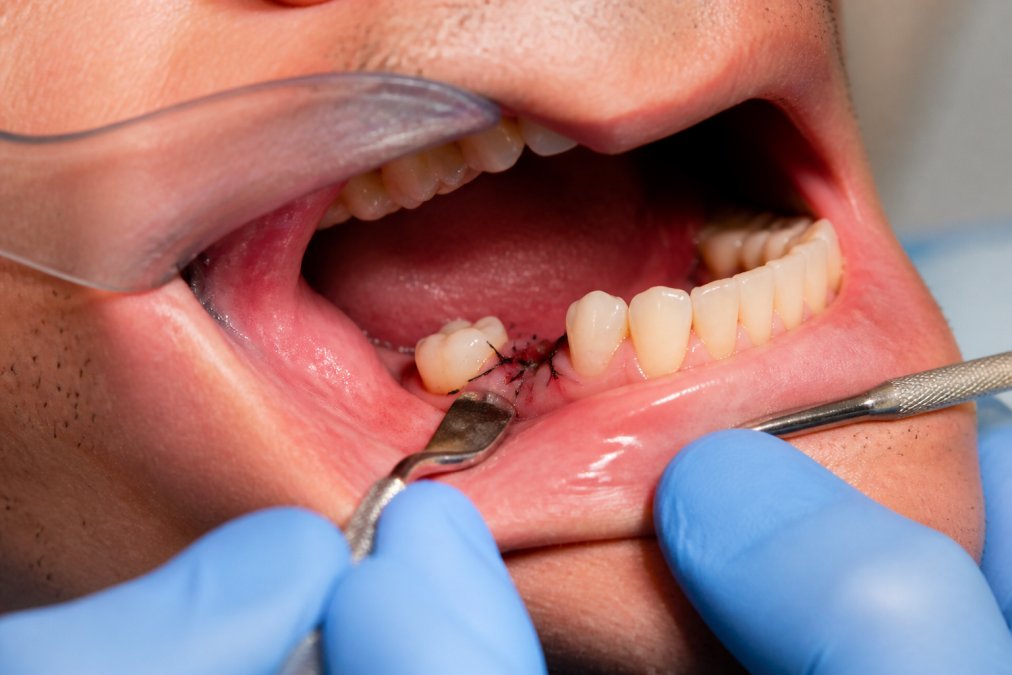
Immediately after surgery, blood clotting and inflammation are your body's natural protective responses. Swelling typically peaks around day two or three, then gradually subsides. You'll notice the most discomfort during this window, though pain is usually manageable with prescribed medication and ice application. The surgical site develops a protective blood clot, resist the urge to disturb it, as this is essential for proper healing.
Soft tissue healing progresses rapidly. The gum tissue around the implant begins knitting together, and the extraction socket starts filling with new bone cells. Sutures typically remain in place for 7-10 days before removal at your follow-up appointment.
Week 3-12: Bone Integration Begins
After acute inflammation subsides, osseointegration, the process where bone grows directly onto the implant post, begins in earnest. This phase is largely invisible but critical; the implant transforms from a foreign object into a permanent part of your jawbone.
During this period, you'll notice steady improvement in comfort and function. Swelling diminishes significantly by week four, and many patients feel nearly normal by week six, though complete bone integration continues beneath the surface. The implant post must remain undisturbed during this window, which is why your dentist may recommend avoiding chewing on that side of your mouth.
Month 4-6: Maturation and Load Readiness
By month four, bone integration is typically substantial enough to support a temporary crown or abutment. However, bone continues to mature and strengthen through month six. Your dentist monitors progress through follow-up appointments and imaging to confirm osseointegration is complete. Once the bone has fully integrated, usually by month six, the implant can safely bear full chewing forces, and your permanent crown is typically placed.
Post-Operative Care for Dental Implants: Essential Steps
Proper aftercare directly influences healing speed and implant success. The first 48 hours set the tone for everything that follows.

Pain Management and Swelling Control
Take prescribed pain relief medication as directed; don't wait for pain to become severe. Ibuprofen and paracetamol work synergistically when alternated, reducing both pain and inflammation more effectively than either alone. Apply ice packs for 15 minutes on, 15 minutes off during the first 24-48 hours to minimise swelling.
After 48 hours, switch to gentle heat if swelling persists. Keep your head elevated, even whilst sleeping, to reduce fluid accumulation in the surgical area.
Oral Hygiene Without Disruption
Maintaining oral hygiene is crucial, but avoid the surgical site entirely for the first two weeks. Brush your other teeth normally, but don't touch the implant area. After suture removal, rinse gently with warm salt water (half a teaspoon of salt in eight ounces of warm water) three to four times daily, especially after meals.
Once your dentist confirms the soft tissue has sealed adequately, typically by week three, resume gentle brushing around the implant area using an extra-soft toothbrush. Avoid flossing near the implant until your dentist gives clearance, usually after month two.
What to Eat After Dental Implant Surgery: Nutrition for Faster Healing
Your diet significantly influences healing speed and bone integration quality.
Days 1-7: Soft Foods and Liquids
Stick to cool or room-temperature foods that require minimal chewing. Yoghurt, smoothies, soup (cooled to lukewarm), mashed potato, scrambled eggs, and soft fish are excellent choices. Avoid hot foods and beverages for the first 24 hours, as heat increases blood flow and can disrupt the blood clot.
Protein intake is particularly important during the first two weeks, as your body needs amino acids to build new bone and soft tissue. Greek yoghurt, soft cheese, protein shakes, and bone broth provide high-quality protein without requiring chewing near the surgical site.
Weeks 2-6: Graduated Return to Normal Foods
By week two, introduce slightly firmer foods, though continue avoiding the implant side of your mouth. Soft pasta, well-cooked vegetables, and tender meat become possible. Gradually expand your diet as healing progresses and discomfort decreases.
Avoid crunchy, sticky, or hard foods throughout the first six weeks. Alcohol and smoking both impair bone healing and increase infection risk; ideally avoid both for at least 72 hours post-surgery, though longer abstinence significantly improves outcomes.
Nutritional Priorities for Bone Integration
Calcium, vitamin D, and protein form the nutritional foundation for strong bone integration. Ensure adequate intake through dairy products, leafy greens, fatty fish, and fortified plant-based alternatives. Hydration supports every aspect of healing, drink water consistently throughout the day, aiming for at least two litres daily.
Recovery from a single tooth implant is a predictable biological process that responds well to evidence-based aftercare. Most patients feel substantially better within two weeks and return to normal function by month two, though complete bone integration continues for six months.
Once your implant has fully healed and your permanent crown is in place, you may wish to explore cosmetic enhancements to your smile. Teeth whitening can brighten your restored tooth alongside your natural teeth, ensuring your implant blends seamlessly with your smile.
At Rodney Street Dental, we provide detailed post-operative guidance and regular follow-up appointments to ensure your implant heals optimally. Our bespoke treatment approach means we tailor recovery support to your individual needs, answering questions and adjusting care recommendations based on your progress. Contact us to discuss your implant journey and discover how our services and products can support your path to a restored, confident smile.
Frequently Asked Questions
How painful is a single tooth implant during recovery?
Pain after implant surgery varies. Most patients experience manageable discomfort in the first 48 hours, controlled with prescribed or over-the-counter pain relief. Expect mild to moderate soreness rather than severe pain. Swelling and inflammation typically peak at day 2-3, then gradually reduce. Your dental team will provide clear pain management guidance tailored to your recovery.
What should I eat during the first week after dental implant surgery?
Stick to soft, cool foods that require minimal chewing. Yoghurt, smoothies, soup (lukewarm, not hot), mashed potato, scrambled eggs, and protein shakes are ideal. Avoid hot foods, hard items, sticky foods, and anything requiring significant jaw movement. Staying hydrated is essential. Proper nutrition supports bone integration and soft tissue healing during this critical phase.
How do I know if my single tooth implant is healing properly?
Healthy healing shows reduced swelling and discomfort after 3-5 days, stable gum colour around the surgical site, and no signs of infection. Your follow-up appointments will confirm osseointegration is progressing. Warning signs include persistent severe pain, excessive bleeding, fever, or visible pus. Contact your dental team immediately if you notice these. Regular monitoring ensures your implant integrates correctly with the jawbone.
Is a single tooth implant worth the recovery time?
Yes, for most patients. A single tooth implant restores function, prevents bone loss, and integrates naturally with your remaining teeth. Unlike bridges, implants don't require grinding adjacent healthy teeth. The 3-6 month recovery supports long-term success and durability. Most patients find the investment worthwhile when they regain full chewing ability and confidence. Discuss your specific situation with your dentist to assess whether an implant suits your needs.
This article was written using GrandRanker