 ultimate-guide
Routine Dental Checkup for Adults: What to Expect
Table of Contents
- Why Routine Dental Checkups Matter for Adults
- What Happens During a Dental Checkup
- How Often Should You Have a Dental Checkup
- How to Prepare for a Dental Appointment
- Frequently Asked Questions
Last Updated: August 4, 2026
Why Routine Dental Checkups Matter for Adults
A routine dental checkup for adults is far more than a quick tooth cleaning. According to the British Dental Association, regular dental examinations detect early signs of oral disease before they become costly problems. At Rodney Street Dental, we've seen firsthand how patients who maintain consistent checkup schedules avoid emergency treatments and preserve their natural teeth far longer than those who neglect preventative care.
Your mouth is a window into your overall health. Gum disease has been linked to cardiovascular problems, diabetes complications, and respiratory infections. A routine dental checkup catches these warning signs early, when intervention is simpler and more affordable. Most people don't realise how much damage accumulates between appointments: dental plaque hardens into tartar within days, gingivitis develops silently, and cavities expand beneath the surface.
What Happens During a Dental Checkup
Your dental checkup follows a structured sequence designed to assess your complete oral health status. Your dental professional reviews your patient history, asking about sensitivity, pain, teeth grinding, and medications that might affect your oral health.
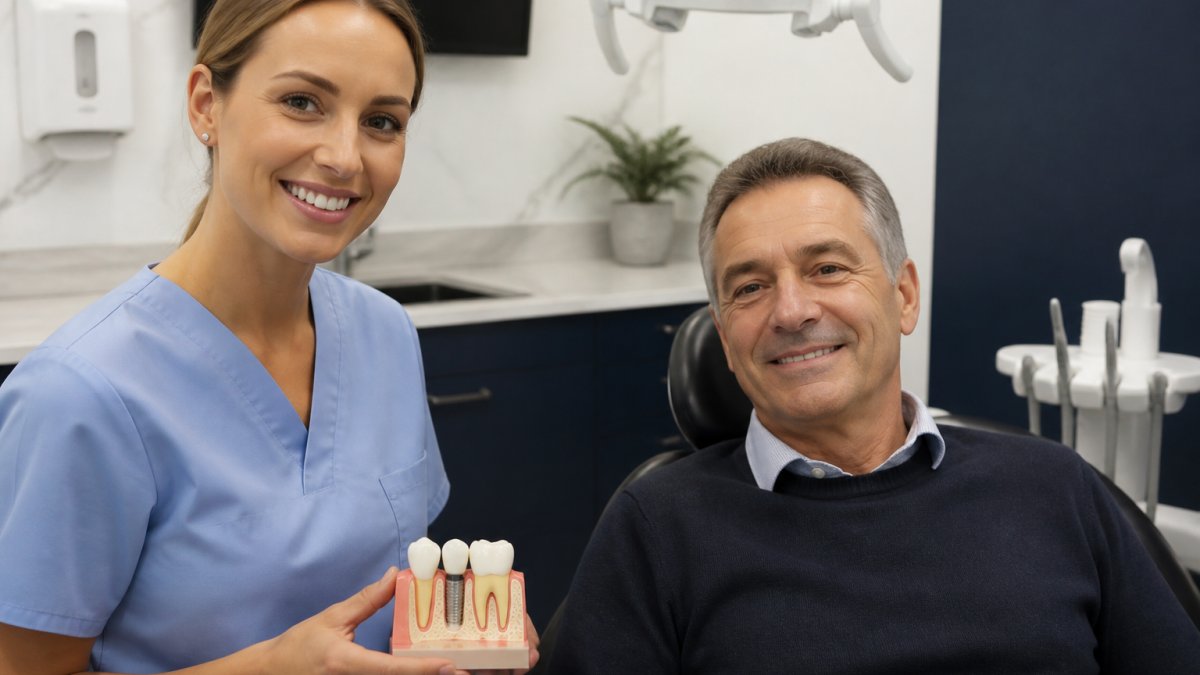
The clinical examination begins with a visual inspection of your teeth and soft tissues, checking for cavities, existing fillings, and the condition of crowns or implants. Your dentist examines your oral mucosa for signs of oral cancer or suspicious lesions, a critical assessment, as many serious conditions show no symptoms until advanced.
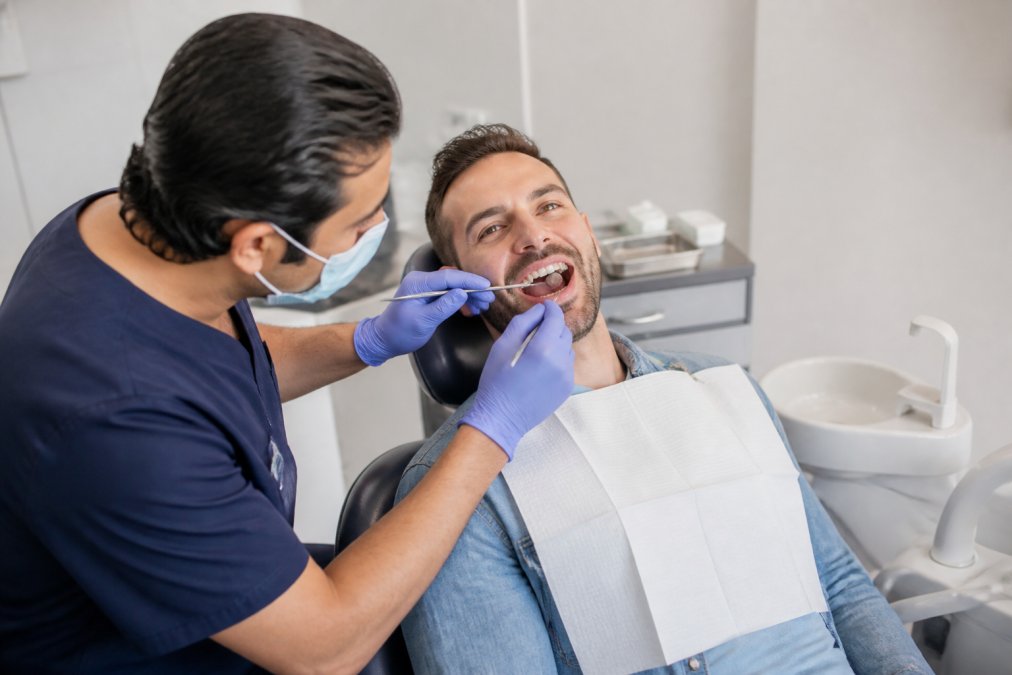
Next comes the periodontal assessment. Your dentist measures periodontal pockets to evaluate gum health, checking for bleeding, recession, and signs of gum disease. Diagnostic imaging follows, with X-rays revealing cavities between teeth, bone loss, and subsurface problems. Modern digital X-rays use minimal radiation and provide immediate, detailed images.
Your dental professional evaluates your age, family history, smoking status, and oral hygiene habits to predict your likelihood of future problems. Professional cleaning removes tartar that brushing and flossing cannot eliminate, with dental scaling removing buildup from above and below the gum line. Your appointment concludes with fluoride treatment if appropriate and specific guidance on home care.
:::pro tip Ask your dentist to show you any problem areas on the X-ray or intraoral camera. Understanding what they're seeing makes you more invested in prevention. :::
How Often Should You Have a Dental Checkup
The standard recommendation is a routine dental checkup for adults every six months. This interval aligns with how quickly plaque and tartar accumulate and how rapidly early disease progresses.
However, your ideal appointment frequency depends on your individual risk factors. Someone with excellent oral hygiene and no cavity history might manage with annual checkups. Someone with gum disease history, poor oral hygiene, or diabetes may need appointments every three to four months. Your dental professional assesses your specific risk profile and recommends an interval tailored to your situation.
Several factors influence how often you should attend:
- Gum disease history: Active or recent periodontitis requires more frequent monitoring
- Cavity risk: High cavity risk means more frequent checkups and possibly additional preventative measures
- Systemic health: Diabetes, heart disease, and immune conditions increase oral disease risk
- Smoking status: Smokers have significantly higher gum disease and oral cancer risk
- Oral hygiene habits: Poor home care warrants more frequent professional assessment
- Age: Older adults often benefit from more frequent checkups due to cumulative wear and medication side effects
Work with your dentist to establish an appointment schedule based on your actual risk profile rather than treating six months as a rigid rule.
How to Prepare for a Dental Appointment
Preparing properly ensures you get maximum value from your appointment. Brush and floss before you arrive to give your dentist the clearest view of your actual oral hygiene habits. Bring a list of any medications you're taking, including over-the-counter supplements, as many affect saliva production, gum health, or bleeding tendency.

Write down any concerns before your appointment, tooth sensitivity, jaw pain, or teeth grinding are easy to forget in the chair. Arrive ten minutes early if you're a new patient to complete your health history form accurately. Be honest about smoking, alcohol consumption, and oral habits; your dentist isn't judging, they're gathering information that affects your treatment plan.
If you experience dental anxiety, mention it when you book. Many practices, including Rodney Street Dental, specialise in creating calm, supportive environments for anxious patients. Bring your insurance details if you have dental coverage, and ask for previous dental records to be sent to your new dentist.
| Preparation Step | Why It Matters |
|---|---|
| Brush and floss | Gives dentist clear view of actual habits |
| List medications | Affects gum health and bleeding risk |
| Write down concerns | Ensures nothing gets forgotten |
| Arrive early | Time to complete forms accurately |
| Mention anxiety | Allows practice to provide support |
| Bring insurance details | Speeds up claims processing |
| Request previous records | Helps dentist understand your history |
A routine dental checkup for adults is your most powerful tool for maintaining oral health and catching problems early. The combination of professional assessment, diagnostic imaging, and personalised risk evaluation identifies issues that home care alone cannot detect.
At Rodney Street Dental in Liverpool, we provide comprehensive dental examinations within a warm, supportive environment. Our team offers bespoke treatment plans tailored to your individual needs, whether you require routine checkups, professional teeth whitening to enhance your smile, or more complex restorative work. We prioritise patient comfort and clinical excellence, ensuring every appointment leaves you with a clear understanding of your oral health status and exactly what you need to do next. Contact us to book your appointment and take control of your dental health today.
Frequently Asked Questions
What is included in a routine dental checkup for adults?
A routine dental checkup includes oral health assessment, soft tissue examination of your gums and mouth lining, plaque and tartar removal, cavity detection, and often diagnostic imaging such as X-rays. Your dental professional will also perform oral cancer screening and review your patient history to assess dental risk factors. The appointment typically concludes with a treatment plan if any issues are identified.
How often should an adult have a dental checkup?
Most adults benefit from routine checkups every six months as part of preventative maintenance. However, your appointment interval may differ based on your individual dental health status, gum disease risk, and whether you have existing conditions like gingivitis. Your dental professional will recommend the frequency that best suits your needs during your initial assessment.
How should I prepare for a dental appointment?
Brush and floss your teeth before arriving to remove food debris and plaque. Wear comfortable clothing and arrive a few minutes early to complete any necessary paperwork. Bring a list of current medications and inform your dental professional of any changes to your health history. If you experience dental anxiety, let the practice know in advance so they can create a calm, supportive environment for your visit.
What should I do after my dental checkup?
Follow any post-checkup care instructions provided by your dental professional, such as fluoride treatment guidelines or specific oral hygiene recommendations. If a treatment plan was discussed, clarify the next steps and timeline. Maintain your daily oral hygiene routine with brushing and flossing, and schedule your next appointment as recommended. If you experience any discomfort or have questions about the findings, contact your dental practice promptly.
This article was written using GrandRanker