 how-to
Register with an Emergency Dentist: A Quick Guide
Table of Contents
- How to Register with an Emergency Dentist
- How to Find a Dentist Accepting New Patients
- Getting an Emergency Dental Appointment
- Frequently Asked Questions
Last Updated: October 10, 2026
How to Register with an Emergency Dentist
Knowing how to register emergency dentist services can save you hours of stress. The process differs depending on whether you're already registered with a practice or seeking care as a new patient.
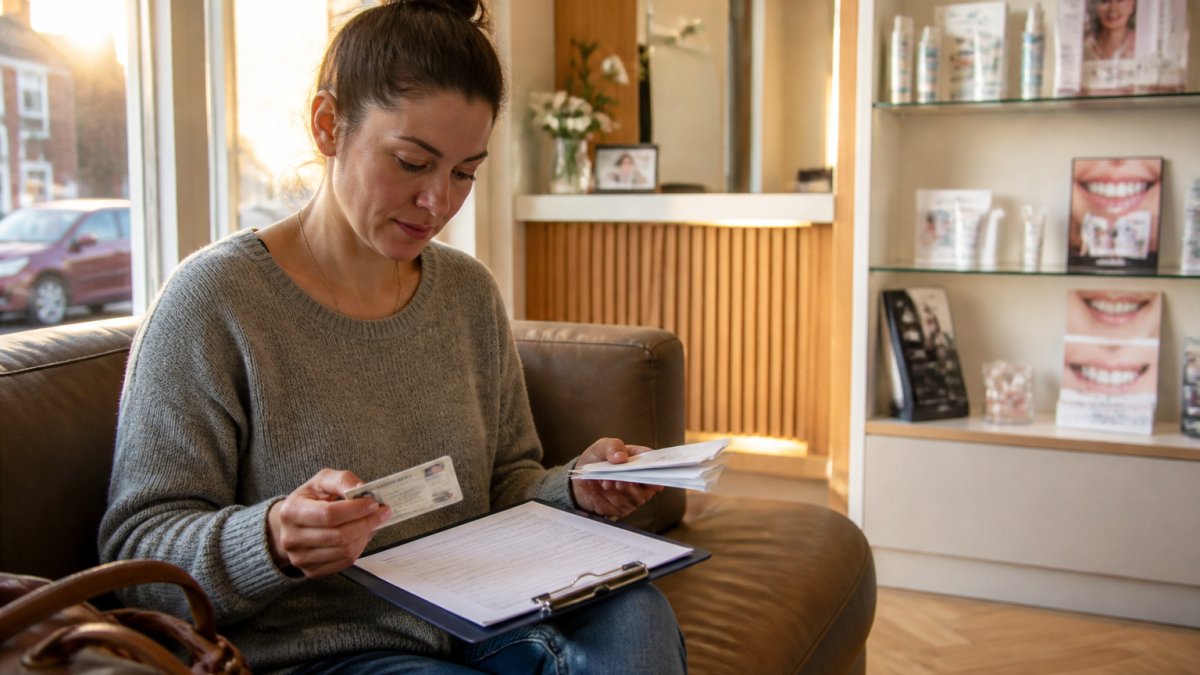
The key difference lies in whether you contact your usual dentist, call NHS 111, or approach a private emergency service directly.
How to Find a Dentist Accepting New Patients
Search online for dental practices in your area that explicitly state they're accepting new patients.
Contact the practice directly by phone or through their website. Ask whether they accept new patients and whether they offer emergency appointments. Some practices maintain a dedicated emergency line or offer same-day slots for urgent cases.
If you're unregistered and face a dental emergency, you have two main routes:
- NHS route: Call NHS 111 for assessment and referral to an available NHS emergency service (the NHS)
- Private route: Contact private dental practices directly that offer emergency care
Getting an Emergency Dental Appointment
Booking an emergency appointment depends on your registration status. Registered patients should call their usual practice first, most have emergency protocols and can often fit urgent cases into their schedule the same day.
For unregistered patients, NHS 111 provides telephone assessment and directs you to available services where you can register emergency dentist care. Private practices often have dedicated emergency appointment slots. When calling, explain your symptoms clearly: severe toothache, swelling, broken teeth, or infection signs help the practice prioritise your case.
Have your details ready: full name, date of birth, and a brief description of the problem. If you're not registered, prepare proof of identity and address. This speeds up the registration process when you arrive.
Dental emergencies require quick action, but they're manageable when you know the right steps. At Rodney Street Dental, we're committed to providing clinical excellence and compassionate care. Our bespoke treatment plans and fully-qualified team ensure you receive the care you need in a warm, welcoming environment. Whether you require urgent attention or a complete smile transformation with services like professional teeth whitening or dental implants, we prioritise your comfort and safety. Contact us today to discuss your dental needs or to register as a new patient.
Frequently Asked Questions
How do I register with an emergency dentist if I'm not currently registered with one?
Contact local dental practices directly by telephone or online to ask if they accept emergency patients. Many practices keep emergency slots available for unregistered patients. You'll need to provide basic details such as your name, contact information, and a brief description of your symptoms. Some practices may ask you to complete a registration form before or during your first appointment. If local surgeries cannot accommodate you, call NHS 111 for assessment and referral to an available emergency dental service.
What information should I have ready when contacting an emergency dentist?
Prepare your full name, date of birth, contact number, current address, and proof of address. Have your NHS number ready if you have one. Describe your dental problem clearly, including when the pain started and any symptoms such as swelling, broken teeth, or difficulty eating. If you're registered with another dentist, have their details available. This information helps the practice assess your situation quickly and schedule you appropriately.
What counts as a dental emergency that needs urgent attention?
Severe toothache with swelling, a broken or knocked-out tooth, signs of infection such as facial swelling or fever, uncontrolled bleeding after tooth loss, and difficulty swallowing or breathing all require urgent dental care. Injuries to the mouth or jaw also need prompt assessment. If you're unsure whether your situation is urgent, contact NHS 111 for telephone assessment. They can advise whether you need immediate treatment or can wait for a routine appointment.