 how-to guide
How to Prepare for Implants: A Complete Pre-Surgery Guide
Table of Contents
- How to Prepare for Implants: What You Need to Know Before Surgery
- Essential Dental Implant Pre-Op Instructions and Checklist
- Dental Implant Surgery Timeline: What to Expect and When
- Bone Graft for Dental Implants: Preparation and Recovery Insights
- Stocking Up on Soft Foods and Managing Nutrition
- Avoiding Damaging Habits: Smoking, Alcohol, and Strenuous Activity
- Mental and Psychological Preparation for Implant Surgery
- Financial and Insurance Planning for Implants
- Preparing Your Medical History and Disclosure
- Post-Operative Supply Shopping List
- Follow-Up Appointments and Monitoring
- Choosing Your Implant Dentist: What to Look For
- Key Takeaways for Implant Preparation
- Our Services at Rodney Street Dental
- Frequently Asked Questions
How to Prepare for Implants: A Complete Pre-Surgery Guide
Last Updated: July 22, 2026
How to Prepare for Implants: What You Need to Know Before Surgery
Proper preparation for dental implant surgery reduces complications, speeds healing, and sets you up for the best possible outcome. This guide walks you through every step of preparing your body, home, and mindset for the procedure.
Essential Dental Implant Pre-Op Instructions and Checklist
Your surgeon will provide specific instructions, but several universal principles apply across all cases.
Fasting before surgery is non-negotiable. Most procedures require sedation or local anesthesia, which means your stomach must be empty. Typically, you'll need to fast for 6-8 hours before your appointment, with clear liquids permitted up to 2 hours before, confirm this with your surgeon's team.
Medication management requires careful attention. If you take blood thinners like warfarin or aspirin, your surgeon may ask you to pause them temporarily to reduce bleeding. However, never stop any medication without explicit instruction. Bring a complete list of all medications and supplements to your pre-op consultation.
Oral hygiene preparation means cleaning your mouth thoroughly before arriving. Brush and floss gently the morning of your procedure. Some surgeons recommend antimicrobial rinses for several days beforehand to reduce bacterial load and lower infection risk.
Arrange transportation in advance. You cannot drive yourself home after sedation; your reflexes remain impaired for hours afterward. Identify a trusted driver who can stay with you for at least 24 hours post-op.
Take time off work. Most patients need at least 3-5 days away, longer if your job involves physical labour. Your body directs energy toward healing; pushing yourself too hard delays recovery.
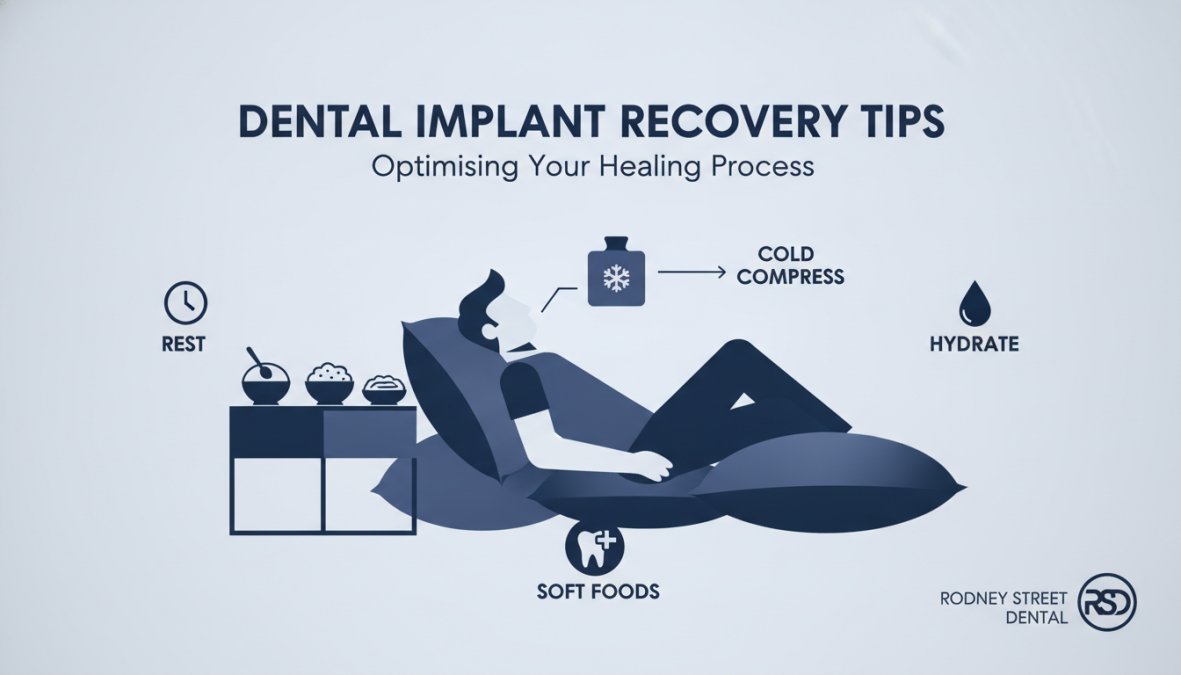
Prepare your recovery space before surgery day. Stock your home with soft foods, ice packs, and comfortable pillows. Set up a recovery area where you can rest without climbing stairs repeatedly.
| Preparation Task | Timing | Why It Matters |
|---|---|---|
| Arrange driver | 1-2 weeks before | Sedation impairs judgment; legal requirement |
| Request time off work | 2-3 weeks before | Allows healing without workplace stress |
| Stock soft foods | 3-5 days before | Prevents trips to shops during recovery |
| Confirm fasting instructions | 1 week before | Empty stomach essential for safe sedation |
| Fill prescriptions | 1 week before | Pain relief and antibiotics ready on day one |
| Prepare recovery space | 3-5 days before | Reduces movement during critical healing phase |
Dental Implant Surgery Timeline: What to Expect and When
Understanding the timeline helps you mentally prepare and plan your life around the procedure.
Pre-surgery consultation (2-4 weeks before): Your surgeon will order a CT scan to assess your jawbone density and plan implant placement precisely. If bone grafting is needed, this may delay your implant placement by 4-6 months while the graft integrates.
Surgical day: You'll arrive fasting and remain at the clinic for 1-2 hours. After anesthesia takes effect, the surgeon creates a small incision in your gum, prepares the jawbone with precision drilling, and places the titanium implant. The entire procedure typically takes 30-60 minutes per implant. You'll feel pressure and vibration but not pain.
Immediate post-op period (first 24-48 hours): Swelling peaks around day 2-3. Pain is usually manageable with prescribed medication. Rest is your primary job.
Healing phase (weeks 1-2): Swelling begins to subside by day 5-7. You can return to light work and gentle activity. Follow prescribed rinses to prevent infection.
Osseointegration (3-6 months): Your jawbone bonds with the titanium implant. The implant must remain undisturbed. Avoid chewing on the implant side and follow all activity restrictions.
Crown placement (after osseointegration): Once bone has fully integrated with the implant, your surgeon will place an abutment and custom crown. This phase is less invasive and requires minimal recovery.
Bone Graft for Dental Implants: Preparation and Recovery Insights
Not every patient needs bone grafting, but many do, particularly those with significant tooth loss or advanced gum disease.
Why bone grafting matters: Dental implants require sufficient jawbone density to anchor securely. If your jawbone has resorbed due to missing teeth or periodontal disease, a bone graft rebuilds volume and density.
Types of grafts used: Surgeons typically use autografts (bone from your own body), allografts (donated human bone), or xenografts (animal bone). Your surgeon will recommend the best option for your situation.
Recovery from bone grafting (4-6 weeks): The graft must remain protected and undisturbed while new bone forms around it. Swelling is typically more pronounced than with implant placement alone. You'll need to avoid chewing on the grafted side and follow prescribed rinses diligently.
Integration timeline (3-6 months): After the initial healing phase, the graft integrates with your existing bone. Your surgeon will order follow-up imaging to confirm graft success before scheduling implant surgery.
Stocking Up on Soft Foods and Managing Nutrition
Your diet during the first 1-2 weeks post-op directly impacts healing speed and comfort.
Ideal soft foods for the first week: Yoghurt, soft cheeses, scrambled eggs, mashed potatoes, lukewarm smoothies, cooled soup, and pureed vegetables. These foods provide protein and nutrients without requiring chewing.
Foods to avoid completely: Hard foods (nuts, crunchy vegetables), sticky foods (caramel, peanut butter), hot foods and beverages, and anything requiring significant chewing. Avoid the implant side entirely. Alcohol should be avoided for at least one week, as it thins blood and increases bleeding.
Hydration matters enormously. Drink plenty of water and electrolyte drinks. Dehydration slows healing and increases pain perception. Aim for 2-3 litres daily.
Avoiding Damaging Habits: Smoking, Alcohol, and Strenuous Activity
Certain behaviours directly compromise implant success and healing speed.
Smoking cessation is critical. Nicotine constricts blood vessels, reducing oxygen delivery to the surgical site. This slows healing, increases infection risk, and significantly increases implant failure rates. Ideally, quit 2-3 weeks before surgery and avoid smoking for at least 2 weeks post-op.
Alcohol avoidance for the first 1-2 weeks is essential. Alcohol thins blood, increasing bleeding and swelling. It also interacts with pain medications and antibiotics.
Strenuous activity restriction is essential during osseointegration. Avoid heavy lifting, intense exercise, and activities that elevate your heart rate significantly. Light walking is fine; gym workouts should wait 2-3 weeks.
Avoid touching or pressing the surgical site. Your tongue will naturally gravitate toward the area, but this should be resisted. Pressing or moving the implant during osseointegration risks failure.
Mental and Psychological Preparation for Implant Surgery
The physical preparation is straightforward, but psychological readiness often determines how well patients cope with surgery and recovery.
Anxiety about surgery is completely normal. Many patients haven't had significant dental work before. Some surgeons offer videos or virtual consultations showing the procedure, which can demystify the experience and reduce fear.
Realistic expectations about discomfort matter. You won't experience pain during surgery (anesthesia prevents this), but you will feel pressure and vibration. Post-op discomfort is manageable with prescribed medication and ice.
Visualisation techniques work surprisingly well. Spend a few minutes daily in the weeks before surgery imagining yourself recovering smoothly and enjoying your new smile.
Financial and Insurance Planning for Implants
Contact your insurance provider early. Understand what your policy covers; some plans cover portions of implant costs, whilst others cover none.
Discuss payment plans with your surgeon. Many practices offer financing options that spread costs over months or years.
Budget for the full timeline. Implant costs include surgical placement, osseointegration monitoring, and crown placement. Understanding the total investment helps you plan financially.
Preparing Your Medical History and Disclosure
Certain medical conditions affect implant success and surgical safety.
Conditions requiring disclosure: Diabetes, heart disease, blood disorders, autoimmune conditions, and any history of radiation therapy to the head or neck. These don't necessarily disqualify you from implants, but they may require modified surgical techniques.
Medications that matter: Blood thinners, bisphosphonates, immunosuppressants, and steroids all affect healing. Your surgeon needs this information to adjust your protocol.
Allergies must be documented. Ensure your surgical team knows about any allergies to medications, latex, or materials.
Post-Operative Supply Shopping List
Before surgery, gather supplies you'll need during recovery.
Essential supplies:
- Ice packs
- Gauze and extra pads
- Prescribed pain medication and antibiotics
- Prescribed antimicrobial rinse
- Soft toothbrush (ultra-soft bristles)
- Pillows for elevation
- Entertainment (books, films, podcasts)
- Soft foods (yoghurt, soup, smoothie ingredients)
- Electrolyte drinks and water
- Thermometer (to monitor for infection)
Optional but helpful:
- Heating pad (for tension after the first few days)
- Extra pillowcases
- Loose, comfortable clothing
Follow-Up Appointments and Monitoring
Your surgeon will schedule follow-up appointments to monitor healing and implant integration. These are essential safety checkpoints.
First follow-up (7-10 days post-op): Your surgeon removes sutures and assesses healing.
Subsequent appointments (every 4-6 weeks during osseointegration): These monitor bone integration and implant stability.
Communication between appointments: If you experience excessive swelling, persistent bleeding, signs of infection (fever, pus, severe pain), or implant movement, contact your surgeon immediately.
Choosing Your Implant Dentist: What to Look For
The quality of your surgical team directly impacts your outcome.
Credentials matter. Your surgeon should be a qualified dentist or prosthodontist with specific training in implant placement. Ask about their qualifications and experience. How many implants have they placed? What's their success rate?
Trusted implant systems like Straumann and BioHorizons have decades of clinical data supporting their reliability.
Clear communication during consultations is essential. Your surgeon should explain your options, answer questions thoroughly, and never pressure you into treatment you're uncertain about.
Technology and facilities matter. Modern practices use CT imaging for precise planning, have sterile surgical facilities, and offer sedation options for anxious patients.
Key Takeaways for Implant Preparation
Preparing for dental implants requires attention to physical details, fasting, medication management, arranging transportation, and equal attention to mental readiness and home preparation. Start with your surgeon's specific instructions, then use this guide to fill in gaps. Stock your recovery space, arrange support, manage your expectations, and approach surgery with confidence.
Our Services at Rodney Street Dental
At Rodney Street Dental in Liverpool, we specialise in comprehensive implant treatment from initial consultation through crown placement. Our CQC and GDC registered team uses trusted implant systems like Straumann and BioHorizons. We create bespoke treatment plans tailored to your specific needs, with video walkthroughs so you understand every step.
Beyond implants, we offer professional teeth whitening using Philips Zoom and discreet teeth straightening with Invisalign and Fastbraces. Our warm, welcoming environment prioritises your comfort and safety throughout treatment.
Ready to begin your implant journey? Contact Rodney Street Dental to schedule your consultation and discuss how we can help you achieve the confident smile you deserve.
Frequently Asked Questions
What should I avoid before dental implant surgery?
Avoid smoking, alcohol, and hard or sticky foods for at least 48 hours before your dental implant surgery. Do not eat or drink after midnight if you're receiving sedation (follow your specific fasting instructions from your dental team). Avoid strenuous activity for several days beforehand, as it can increase blood pressure and cause complications. Stop taking certain medications like aspirin unless specifically instructed otherwise. Avoid scheduling implant surgery if you have an active infection or illness.
How should I prepare for dental implant recovery tips and managing swelling?
Stock your home with soft foods like yoghurt, soup, mashed potatoes, and smoothies before surgery. Arrange ice packs or frozen gel packs to manage swelling during the first 48 hours, apply for 15 minutes on, 15 minutes off. Prepare a comfortable recovery space with extra pillows to keep your head elevated, which reduces inflammation. Have prescribed rinses ready for oral hygiene without disturbing the surgical site. Plan to take time off work for at least 3-5 days, depending on your job's physical demands.
What are the key dental implant pre-op instructions I need to follow?
Your dental examination and treatment plan will include specific pre-operative instructions tailored to your health. Typically, you'll fast for 6-8 hours before surgery if receiving sedation or local anesthesia. Arrange a driver to transport you home, as you won't be able to drive after sedation. Inform your dental team of all medications and antibiotics you're taking, as some may need adjustment. Wear loose, comfortable clothing and avoid makeup or nail polish. Arrive early to complete any final paperwork and discuss your treatment plan.
How long is the dental implant surgery timeline from consultation to full healing?
Initial consultation and imaging (CT scan and dental examination) typically take 1-2 weeks to plan your treatment. The surgical procedure itself usually takes 1-2 hours depending on whether bone grafting is needed. Initial healing takes 1-2 weeks, though complete osseointegration (jawbone healing around the implant) can take 3-6 months. If a bone graft for dental implants is required, add 4-6 months for graft maturation before implant placement. Follow-up appointments occur regularly to monitor healing and ensure proper aseptic technique during recovery.
This article was written using GrandRanker