 how-to
How to Whiten Teeth Safely at Home
Table of Contents
- Understanding Surface Stains vs. Intrinsic Discoloration
- How Whitening Toothpaste and Bleaching Agents Work
- Risks of DIY Teeth Whitening
- Professional Teeth Whitening vs Home Kits
- Frequently Asked Questions
Last Updated: August 28, 2026
Understanding Surface Stains vs. Intrinsic Discoloration
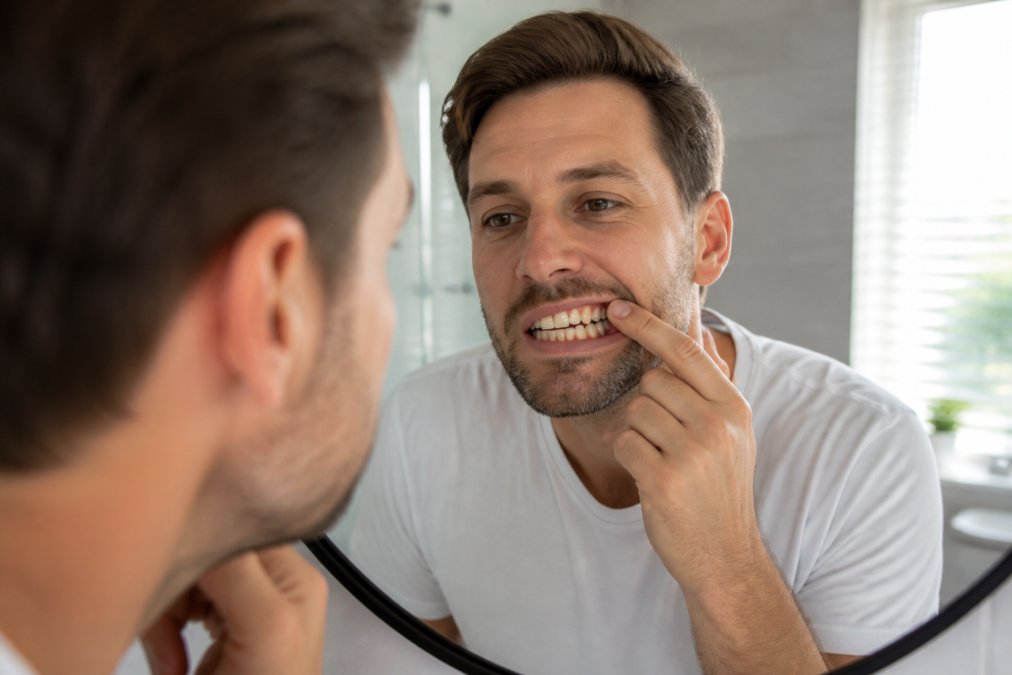
Tooth discoloration falls into two distinct categories. Surface stains sit on the outer enamel layer and result from dietary habits, tobacco use, or poor oral hygiene. Intrinsic discoloration occurs within the tooth structure itself, beneath the enamel, developing from ageing, certain medications, or tooth trauma. This distinction matters because surface stains respond well to whitening treatments, whilst intrinsic discoloration often requires professional intervention. If you're considering at-home whitening, surface stains are your best candidate for success.
How Whitening Toothpaste and Bleaching Agents Work
Whitening toothpaste uses mild abrasives and chemical agents to remove surface stains through mechanical action. These products typically contain sodium bicarbonate or silica, which gently polish away staining particles without damaging enamel when used correctly (the American Dental Association. However, whitening toothpaste alone cannot lighten the tooth's natural colour; it can only restore teeth to their original shade by eliminating surface buildup.
True tooth whitening requires bleaching agents like hydrogen peroxide or carbamide peroxide (peer-reviewed research). These oxidising agents penetrate the enamel and break down the molecules responsible for discoloration. Hydrogen peroxide works faster but is more concentrated in professional settings, whilst carbamide peroxide releases hydrogen peroxide slowly over time, making it safer for extended at-home use.
Risks of DIY Teeth Whitening
At-home whitening carries genuine risks. The most common issue is tooth sensitivity, which occurs when bleaching agents irritate the dentin layer beneath enamel. Gingival irritation, inflammation of the gums, happens when whitening gel contacts soft tissue, causing redness and soreness. Overuse of whitening products can erode enamel, the tooth's protective outer layer, leading to permanent damage.
Many people use whitening products too frequently or leave them on longer than recommended. This aggressive approach doesn't produce faster results; it simply increases the risk of sensitivity and enamel damage. Additionally, some at-home kits use poorly fitting trays that allow gel to leak onto gums, causing chemical burns. Acidic whitening formulations can lower the pH balance in your mouth, promoting plaque buildup and weakening remineralisation.
Professional Teeth Whitening vs Home Kits
Professional whitening uses custom-fitted trays and high-strength bleaching gels (typically 15-35% hydrogen peroxide), applied under a dentist's supervision. This allows precise control, immediate management of sensitivity, and faster results, often producing noticeable whitening within a single appointment.
At-home kits offer convenience and lower cost but require discipline and patience. Over-the-counter products use weaker formulations (3-10% hydrogen peroxide) and generic trays that may not fit properly. The extended timeframe, often 2-4 weeks of nightly application, demands consistency. Professional whitening typically lasts 6-12 months, whilst at-home results vary depending on maintenance and lifestyle habits.
For individuals with existing enamel erosion, gum disease, or severe tooth sensitivity, professional guidance is essential before attempting any whitening. At Rodney Street Dental, we offer professional teeth whitening using trusted brands like Boutique Whitening and Philips Zoom, ensuring your smile transformation happens safely and effectively. Our bespoke approach evaluates your enamel health, sensitivity history, and whitening goals before recommending a tailored treatment plan.
Achieving a brighter smile doesn't require compromising your dental health. Understanding the science behind bleaching agents, recognising the difference between surface and intrinsic stains, and respecting the risks involved are fundamental to safe whitening. Contact Rodney Street Dental to discuss professional teeth whitening options designed specifically for your smile.
Our services include:
- Dental implants
- Orthodontics (Invisalign and Fastbraces)
- Professional teeth whitening
Frequently Asked Questions
What is the safest method to whiten teeth at home?
The safest at-home approach uses lower concentrations of hydrogen peroxide or carbamide peroxide applied in custom-fitted trays, which minimise contact with gums and enamel erosion. Always follow product instructions precisely, start with shorter application times, and consult a dental professional before beginning any whitening regimen. Professional guidance ensures your enamel is healthy enough for whitening and helps you avoid sensitivity complications.
What are the main risks of DIY teeth whitening?
DIY whitening carries several risks: hydrogen peroxide can cause gingival irritation and chemical burns to soft tissue if applied incorrectly, excessive use leads to enamel erosion and increased tooth sensitivity, and over-the-counter kits offer no custom fit, allowing bleaching agents to contact gums. Intrinsic discoloration often does not respond to home treatments, leading to wasted time and money. Professional supervision reduces these risks significantly.
How does professional teeth whitening differ from at-home kits?
Professional whitening uses higher concentrations of bleaching agents in custom-fitted trays, delivering faster results in fewer sessions. Dentists assess your enamel condition, manage sensitivity protocols, and monitor for complications. At-home kits contain lower concentrations, take longer to show results, and lack professional oversight. Professional treatments typically address both surface stains and some intrinsic discoloration more effectively.
This article was written using GrandRanker