 how-to
How to Tell If a Dental Implant Is Failing
Table of Contents
- Early Warning Signs Your Dental Implant Is Failing
- Dental Implant Infection Symptoms to Watch For
- Common Causes of Dental Implant Failure
- Dental Implant Maintenance Tips for Long-Term Success
- Frequently Asked Questions
Last Updated: August 23, 2026
Early Warning Signs Your Dental Implant Is Failing
A dental implant is failing when the artificial tooth root loses integration with the jawbone or shows signs of rejection. The most common early warning signs include persistent pain around the implant site, visible swelling or redness in the gums, and increased mobility of the crown or abutment. Discomfort that doesn't improve within a few weeks after placement, or pain that returns months or years later, warrants immediate professional assessment.
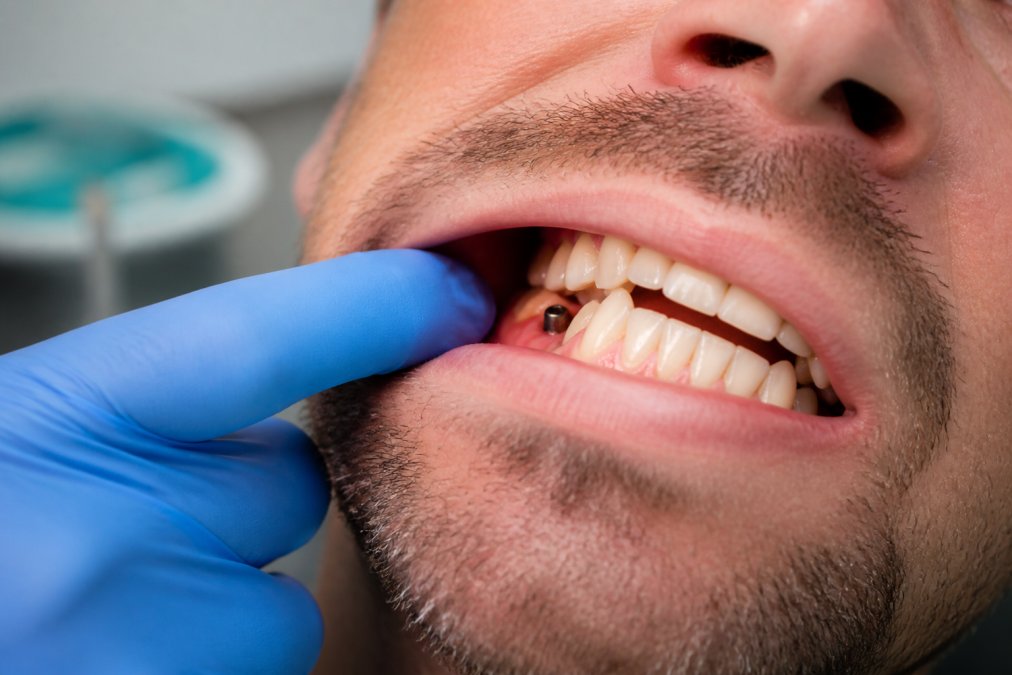
Gum recession around the implant is another critical indicator. If you notice the gum line receding or the implant appearing longer than neighbouring teeth, this suggests bone loss beneath the surface. Bleeding or pus discharge when brushing near the implant site also signals inflammation requiring urgent attention.
Dental Implant Infection Symptoms to Watch For
Infection represents one of the most serious threats to implant longevity. A bacterial infection at the surgical site can lead to rapid bone loss and implant failure if left untreated (peer-reviewed research). Watch for fever, persistent bad breath, or a foul taste in your mouth, these systemic signs indicate infection has progressed beyond localised inflammation.
Suppuration (pus discharge) is a definitive sign of infection. You may notice a small pimple-like bump on the gum near the implant, or swelling that worsens over days rather than improving. Many people mistake early infection for normal post-operative discomfort, but true infections worsen rather than stabilise. Contact your dental team immediately; antibiotic treatment may prevent implant loss if caught early.
Common Causes of Dental Implant Failure
Understanding why dental implants fail helps you avoid preventable complications. Poor osseointegration, the process where bone fuses with the implant surface, is the primary cause of early failure (peer-reviewed research). This can result from insufficient bone density, smoking during healing, or underlying health conditions that impair bone healing.
Infection and periodontal disease are leading causes of late failure, occurring months or years after successful placement. Peri-implantitis, the implant equivalent of gum disease, develops when bacteria colonise soft tissue around the implant. Unlike natural teeth, implants lack the protective periodontal ligament, making them more vulnerable to bacterial attack (the American Dental Association). Trauma or excessive chewing force can also compromise implant stability over time.
Dental Implant Maintenance Tips for Long-Term Success
Preventing failure requires consistent, careful oral hygiene tailored to implant anatomy. Brush twice daily with a soft-bristled toothbrush, angling bristles toward the gum line at 45 degrees to remove plaque without damaging soft tissue. Floss or use interdental brushes daily to clean beneath the crown and between the implant and adjacent teeth. Professional cleaning every six months removes calculus buildup that home care cannot reach.

Lifestyle factors significantly influence implant longevity. Smoking impairs blood flow to healing tissues and increases infection risk; quitting before implant placement substantially improves outcomes. Manage underlying conditions like diabetes, which compromise immune function and bone healing. If you grind your teeth, discuss a night guard with your dentist to distribute chewing force evenly. Avoid hard foods, sticky sweets, and ice that can fracture the crown or damage the implant-bone interface.
Detecting implant problems early prevents costly complications and preserves your investment in oral health. At Rodney Street Dental, we provide comprehensive implant assessments, professional maintenance protocols, and prompt intervention when complications arise. Our team monitors implant health through regular clinical examinations and imaging, ensuring any warning signs are addressed before they progress to failure. We also offer professional teeth whitening to enhance your smile's appearance alongside restorative implant care. Contact us for a detailed implant evaluation or to discuss a tailored maintenance plan suited to your specific needs.
Frequently Asked Questions
What are the early signs of dental implant failure?
Early warning signs include persistent pain or discomfort around the implant site, visible swelling or redness of the gums, a loose or wobbly implant, and difficulty chewing. You may also notice discharge or a foul taste. If you experience any of these symptoms, contact your dentist promptly. Early intervention can sometimes prevent complete failure and preserve the implant.
Can a failed dental implant be repaired?
In some cases, yes. If caught early, infection or minor complications may be treatable without removing the implant. However, if the implant has failed due to bone loss, severe infection, or mechanical failure, extraction and replacement may be necessary. Your dentist will assess the situation and discuss your options during a consultation.
How can I prevent my dental implant from failing?
Maintain excellent oral hygiene by brushing twice daily and flossing around the implant. Avoid smoking, which impairs bone healing and increases infection risk. Attend regular dental check-ups to monitor implant stability and bone density. Protect your implant from trauma by wearing a mouthguard during contact sports. Following these dental implant maintenance tips significantly reduces failure risk and extends implant longevity.
This article was written using GrandRanker