 how-to
How to Manage Dental Anxiety: A Practical Guide
Table of Contents
- Understanding Why Dental Anxiety Happens
- How to Tell Your Dentist You Are Nervous
- Breathing Exercises for Dental Anxiety
- Practical Steps to Manage Dental Anxiety Before Your Appointment
- Our Services
- Frequently Asked Questions
Last Updated: August 3, 2026
Understanding Why Dental Anxiety Happens
Dental anxiety stems from psychological, physical, and past-experience factors. Fear of the unknown, worry about pain, loss of control in the dental chair, and previous negative experiences all contribute to nervousness. Many patients also experience anxiety around the sounds, vibrations, and sensations associated with dental procedures.

Your body's fight-or-flight response kicks in when you feel threatened, releasing stress hormones that heighten tension. This is why anxiety often escalates the moment you sit in the dental chair, even after successful treatments.
Dental anxiety creates a vicious cycle: anxiety leads to avoidance, avoidance leads to postponed care, and postponed care results in more complex dental problems requiring longer procedures, which reinforces the fear. Recognising this pattern is crucial because managing dental anxiety means breaking the avoidance cycle and taking control of your oral health.
How to Tell Your Dentist You Are Nervous
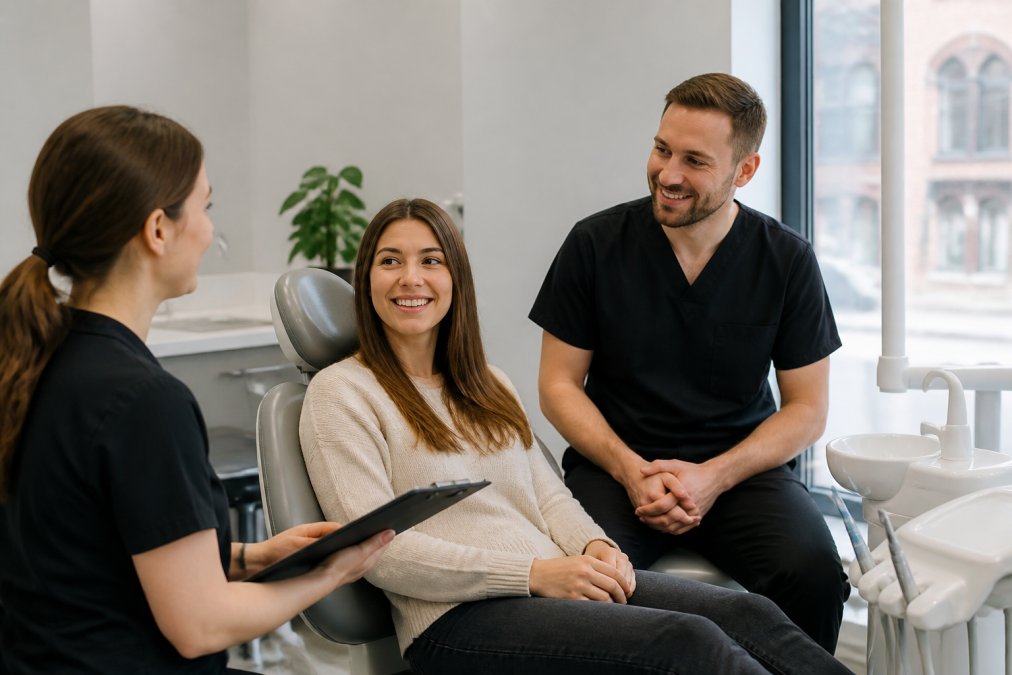
Communication is one of the most effective tools for managing dental anxiety. Being open about your nervousness allows your dental team to adjust their approach, slow down procedures, and provide reassurance throughout your visit. Be specific about what makes you anxious rather than offering a vague statement.
Before your appointment, write down the specific aspects of dental treatment that worry you most. Are you anxious about needles? The drilling sound? Feeling like you can't breathe with instruments in your mouth? When you arrive, ask to speak with your dentist or hygienist privately for a few minutes before treatment begins.
Use straightforward language: "I've had a difficult experience with dental work in the past, and I feel anxious about the sound of the drill" or "I'm worried about the injection, can we discuss ways to make it more comfortable?" A good dental practice will take these concerns seriously and work with you to develop a plan, which might include using a hand signal to pause treatment, explaining each step beforehand, or using distraction techniques.
Breathing Exercises for Dental Anxiety
Controlled breathing is one of the most accessible and evidence-based techniques for calming your nervous system before and during dental procedures. When you're anxious, your breathing becomes shallow and rapid, which intensifies the stress response. By deliberately slowing and deepening your breath, you activate your parasympathetic nervous system, the part responsible for relaxation and recovery.
The 4-7-8 breathing technique is particularly effective. Breathe in through your nose for a count of four, hold for seven, and exhale slowly through your mouth for eight. The extended exhale signals to your body that you're safe. Practise this technique several times before your appointment so it feels natural when you're in the chair.
Box breathing is another simple method: inhale for four counts, hold for four, exhale for four, and hold for four again. This creates a balanced rhythm that's easy to remember and gives your mind something concrete to focus on, naturally redirecting attention away from anxiety-triggering thoughts.

Start practising these techniques at home during calm moments. During your dental appointment, continue breathing exercises throughout the procedure, particularly during moments when anxiety tends to spike.
Practical Steps to Manage Dental Anxiety Before Your Appointment
Preparation before your appointment can significantly reduce anxiety on the day. Schedule your appointment at a time when you're least stressed; morning appointments often work well because you haven't had time to build up worry throughout the day. Avoid caffeine beforehand, as it can amplify anxiety and increase your heart rate. Instead, eat a light meal and stay hydrated.
Visit the dental practice in advance if possible. Familiarising yourself with the environment, meeting the staff, and seeing the treatment rooms removes some of the fear of the unknown. Many practices are happy to give prospective patients a tour, which can dramatically reduce anxiety when you arrive for treatment.
Create a distraction plan for your appointment. Ask if you can listen to music or a podcast during treatment. Some patients find that holding a stress ball or using a hand signal to communicate with their dentist helps them feel more in control. Discuss these options with your dental team beforehand.
The night before your appointment, avoid excessive research about dental procedures online. Late-night searching often leads to catastrophising. Instead, focus on calming activities: a warm bath, gentle stretching, or a relaxing evening routine that promotes good sleep.
| Preparation Step | Timing | Purpose |
|---|---|---|
| Schedule appointment | 1-2 weeks ahead | Choose optimal time of day |
| Visit practice in advance | 3-5 days before | Familiarise yourself with environment |
| Practise breathing exercises | Daily, week before | Build confidence in technique |
| Arrange distraction methods | 2-3 days before | Plan music, stress ball, or hand signals |
| Avoid caffeine | Morning of appointment | Keep heart rate and anxiety stable |
| Get good sleep | Night before | Reduce stress hormones and irritability |
On the morning of your appointment, remind yourself that you've prepared well and your dental team is trained to work with nervous patients. Arrive a few minutes early so you're not rushed. Take several deep breaths in the waiting room and use the techniques you've practised.
Managing dental anxiety is absolutely achievable with the right combination of communication, breathing techniques, and preparation. These strategies address the psychological and physical aspects of fear, giving you practical tools to use before and during your appointment.
If you're seeking professional support in a practice specifically designed for anxious patients, Rodney Street Dental in Liverpool offers a warm, consultative environment where your comfort is prioritised. Our team provides bespoke treatment plans tailored to your needs, and takes time to explain every step of your care. Whether you need routine check-ups or more complex treatments, we're committed to delivering clinical excellence in a setting where you feel genuinely supported.
Our Services
We offer a comprehensive range of dental treatments to support your oral health journey, including teeth whitening to help you achieve a brighter smile once you've overcome your anxiety and are comfortable visiting us regularly.
Get in touch with Rodney Street Dental to discuss how we can help you manage dental anxiety and achieve the oral health you deserve.
Frequently Asked Questions
How can I tell my dentist about my dental anxiety without feeling embarrassed?
Be direct and honest. Tell your dentist before your appointment begins: 'I experience dental anxiety, and I'd like to discuss ways to make this more comfortable.' A patient-centred dentist will listen without judgment, adjust their pace, and explain each step. Many patients have dental phobia, your dentist expects this conversation and has strategies ready to help you feel calmer.
What breathing exercises work best for managing dental anxiety?
The 4-7-8 technique and box breathing are highly effective. For 4-7-8: breathe in for 4 counts, hold for 7, exhale for 8. For box breathing: breathe in, hold, out, and hold again for 4 counts each. Both activate your parasympathetic nervous system, reducing stress. Practise these before your appointment so they feel natural during your visit.
Is sedation dentistry available in the UK for severe dental anxiety?
Yes. Conscious sedation and general anaesthesia are available options for patients with severe dental phobia or anxiety. Conscious sedation keeps you awake but deeply relaxed, whilst general anaesthesia puts you to sleep. Your dentist will discuss which approach suits your needs, medical history, and the complexity of your dental procedure. Always discuss your anxiety level openly so your dentist can recommend the best option.
What should I do after a dental appointment if my anxiety was triggered?
Acknowledge your feelings and reflect on what went well, you attended despite your fear. Take time to rest, use relaxation techniques, and reward yourself. If your anxiety was severe, discuss it with your dentist at your next visit. Each appointment you attend builds confidence and desensitisation. Over time, your nervous system learns that dental visits are manageable, and your anxiety naturally decreases.
This article was written using GrandRanker