 how-to
Early Warning Signs of Tooth Decay
Table of Contents
- Early Warning Signs of Tooth Decay You Shouldn't Ignore
- Can early tooth decay be reversed?
- Tooth decay prevention and best toothpaste for tooth decay
- Frequently Asked Questions
Last Updated: October 12, 2026
Early Warning Signs of Tooth Decay You Shouldn't Ignore
Tooth decay starts small, often without pain. The early warning signs of tooth decay are your best chance to catch it early.
At Rodney Street Dental, we help patients recognise these indicators before a simple filling becomes a root canal or extraction.
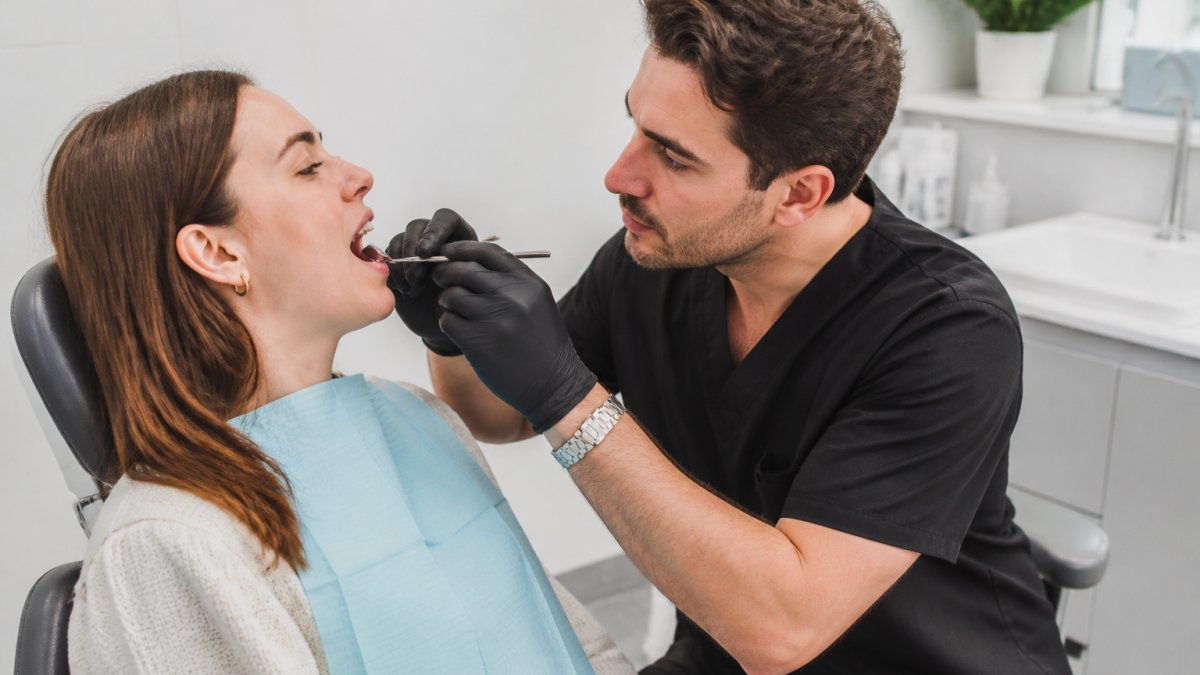
What to look for
Watch for these specific changes in your teeth:
White spots on tooth surface. Chalky spots appearing before discolouration mean enamel is starting to demineralise.
Brown or dark spots. White spots darkening into staining signal active decay, often near the gum line or between teeth.
Sensitivity to temperature. Sharp pain from hot, cold, or sweet foods means enamel may be thinning.
Visible pits or holes. Small indentations mean decay has broken through the enamel, but is still treatable.
Food getting trapped. Food lodging between teeth may signal decay has created a small gap.
Toothache or lingering pain. Pain when chewing suggests decay has reached deeper layers and needs urgent attention.
Early decay with no symptoms
Early enamel changes and demineralisation often cause no discomfort at all.
Regular check-ups matter: examinations or X-rays reveal decay hiding between teeth or under fillings before you notice symptoms.
Can early tooth decay be reversed?
Early decay can be stopped and sometimes reversed, but once it reaches the dentine beneath the enamel, it cannot repair itself.
White spots from early demineralisation can be arrested with fluoride treatment and improved oral hygiene, which remineralise enamel before a cavity forms.
Once a cavity forms, it needs professional treatment, fillings remove the decayed part and seal the tooth, and waiting makes treatment more complex.
Catching the early warning signs of tooth decay matters: a small filling is simpler, faster, and cheaper than advanced decay.
Tooth decay prevention and best toothpaste for tooth decay
Prevention is better than treatment. A few simple steps reduce your risk.
Brush twice daily with fluoride toothpaste for two minutes, focusing on the gum line where decay starts.
Floss every day. Toothbrushes can't reach between teeth, so floss removes food and plaque where decay is common.
Limit sugary foods and drinks. Bacteria feed on sugar and produce enamel-attacking acid, so reduce frequency rather than quantity, sipping a sugary drink all day is worse than drinking it at once.
Drink water after meals. Water neutralises acid and washes away food particles.
See your dentist regularly. Professional cleanings remove tartar that brushing can't. Your dentist spots early decay before it becomes obvious to you. Once decay is treated, maintaining a bright smile is equally important, our teeth whitening service can help restore the appearance of your teeth after treatment.
Frequently Asked Questions
What are the earliest signs of tooth decay?
The earliest warning signs of tooth decay often appear before you feel any pain. White spots on the tooth surface indicate early enamel demineralization, while sensitivity to hot, cold, or sweet foods can signal decay progression. Food getting trapped between teeth, lingering discomfort when chewing, and subtle discoloration are also common early indicators. Many people experience early decay without noticeable symptoms, so regular dental examination is crucial for detection.
Can early tooth decay be reversed?
Early decay that affects only the enamel can sometimes be arrested or reversed through intensive fluoride treatment and improved oral hygiene. Once decay penetrates the dentine layer beneath the enamel, professional cavity treatment becomes necessary. The sooner you address early warning signs of tooth decay, the better your chances of preventing further damage and avoiding more invasive procedures. A dental professional can assess whether your specific situation is reversible.
Can you have tooth decay without pain?
Yes, early tooth decay often develops without any pain or obvious symptoms. Asymptomatic decay can progress silently until it reaches the inner layers of the tooth. This is why regular dental check-ups are essential, even when your teeth feel fine. A dentist can spot early demineralization, white spots, and other subtle changes that indicate decay is beginning, allowing treatment before pain develops.
Noticing changes in your teeth is the first step. Acting on them quickly makes all the difference. If you've spotted any of these signs, book a consultation with us. We'll examine your teeth, identify any decay, and recommend the best course of action. At Rodney Street Dental, we specialise in catching and treating decay early, using bespoke treatment plans tailored to your needs. We're here to help you maintain a healthy smile with clinical excellence and compassionate care.