 how-to
Dental Implant Complications: Signs to Watch
Table of Contents
- Signs of Dental Implant Infection
- Dental Implant Pain After Surgery: Normal vs Concerning
- Signs of a Failing Dental Implant and Peri-Implantitis Symptoms
- Frequently Asked Questions
Last Updated: October 20, 2026
Signs of Dental Implant Infection
Dental implant complications signs in the UK can emerge at any stage after placement, with infections being among the most common. At Rodney Street Dental, we help patients recognise early warning signs so they can seek treatment quickly.
An infection typically shows visible symptoms: gums may become red, swollen or tender, and you might notice bleeding when brushing or flossing near the implant site.
Some infections produce discharge or pus, an unpleasant taste or persistent bad breath. Fever or general malaise can indicate the infection has progressed.
Watch for red or inflamed gums, swelling that worsens over several days, persistent pain, discharge or pus, and swollen lymph nodes in your neck or jaw.
Early detection makes treatment simpler and more effective. If you notice any of these symptoms, contact your dentist promptly.
Dental Implant Pain After Surgery: Normal vs Concerning
Some discomfort after implant surgery is expected. Most patients experience mild soreness for the first week as tissues heal, typically improving with over-the-counter pain relief and ice.
Pain that worsens after the first few days is concerning, and persistent pain beyond two weeks warrants professional assessment.
Normal recovery includes mild tenderness, slight bruising or swelling in the first 3-5 days, sensitivity to temperature changes and gradual daily improvement.
Seek dental advice for severe or worsening pain after day three, pain that doesn't respond to medication, throbbing discomfort that disrupts sleep, or discomfort spreading to surrounding teeth.
Your dentist can determine whether you're experiencing normal healing or early complications.
Signs of a Failing Dental Implant and Peri-Implantitis Symptoms
A failing implant shows distinct warning signs. Implant looseness or movement is serious, if your implant feels loose when you bite down, contact your dentist immediately.
Gum recession signals potential problems: the implant may appear longer or the gum line drop. Changes in gum colour, from healthy pink to red or dark areas, warrant investigation.
Peri-implantitis is inflammation affecting the bone and tissues supporting the implant, causing deepening pockets, bone loss, increased bleeding and swelling, and implant mobility in advanced cases.
Delayed healing can indicate complications; if your implant site hasn't improved significantly by week three, professional evaluation is essential.
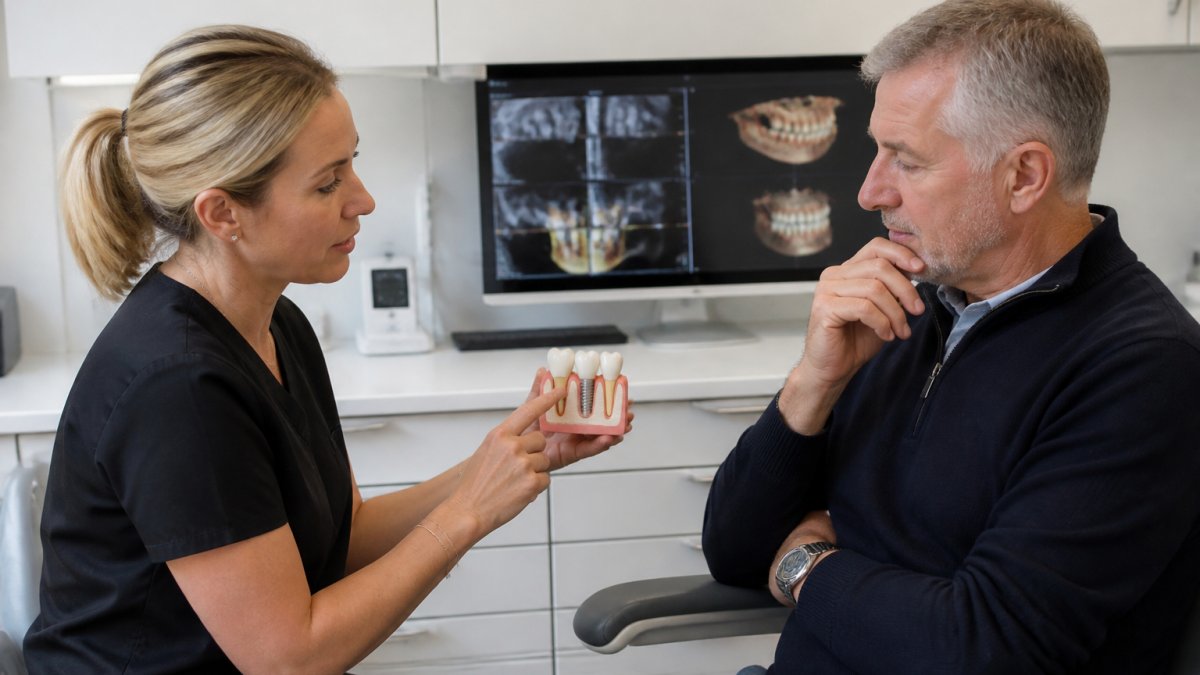
Monitor your implant carefully during the first three months, when many complications appear. Regular check-ups allow your dentist to catch problems early.
If you're concerned about dental implant complications signs in the UK, professional guidance is crucial. At Rodney Street Dental, we provide comprehensive implant care with detailed monitoring throughout your treatment journey, using trusted brands like Straumann and BioHorizons to ensure the highest standard of implant placement and support. Once your implant has fully integrated and healed, we also offer teeth whitening to help you achieve a brighter, more confident smile alongside your restored teeth. We're here to help you maintain a healthy, confident smile through expert clinical care and compassionate support. Contact us today to discuss your implant concerns with our qualified team.
Frequently Asked Questions
How would I know if my dental implant is failing?
Signs of a failing dental implant include persistent pain, swelling or redness around the gum, implant looseness or movement, and discharge or pus from the site. Gum recession, colour changes, and bad breath can also indicate problems. Contact your dentist if you notice any of these symptoms, particularly if they persist beyond the initial healing period or worsen over time.
What is peri-implantitis and what are its symptoms?
Peri-implantitis is inflammation around the dental implant affecting the supporting bone and tissue. Symptoms include red, swollen, or tender gums around the implant, bleeding when cleaning, persistent discomfort, and in advanced cases, implant mobility. Early detection is crucial, as the condition can lead to bone loss if left untreated. Professional assessment helps determine the severity and appropriate treatment.
Is pain normal after dental implant surgery?
Some discomfort is expected during the initial healing phase following implant placement, typically managed with prescribed pain relief. However, pain that worsens after several days, sharp or throbbing sensations, or pain that returns weeks later suggests a complication. Distinguish between normal post-operative tenderness and warning signs by monitoring changes in intensity and consulting your dentist if concerned.