 listicle
Best Teeth Whitening for Adults: A 2026 Guide
Table of Contents
- Best Teeth Whitening for Adults: Top Options Compared
- Professional vs. At-Home Whitening: Which Works Better?
- Best Teeth Whitening for Sensitive Teeth
- How Long Does Teeth Whitening Last and How to Maintain Results?
- Frequently Asked Questions
Best Teeth Whitening for Adults: A 2026 Guide
Last Updated: July 13, 2026
Finding the best teeth whitening for adults requires understanding what actually works versus marketing hype. Professional treatments deliver superior results, but at-home options have closed the gap significantly in recent years. According to research from dental health organisations on whitening efficacy, hydrogen peroxide and carbamide peroxide remain the gold standard bleaching agents, with concentrations between 10-35% showing measurable results within days.
This guide cuts through the noise and shows you exactly how to pick the best teeth whitening for adults based on speed, sensitivity tolerance, and lasting results.
Best Teeth Whitening for Adults: Top Options Compared
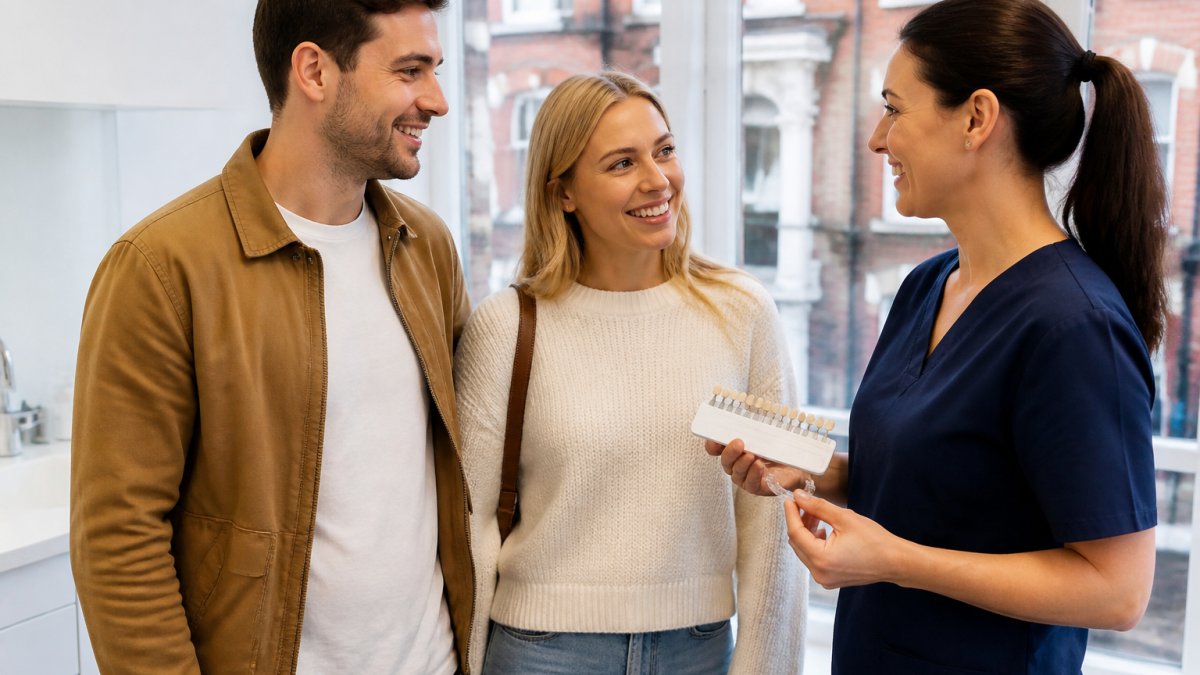
Professional teeth whitening at a dental practice remains the fastest path to visible results. In-office treatments using high-concentration bleaching gels and LED activation technology can lighten teeth by 6-8 shades in a single 60-90 minute session. Rodney Street Dental uses trusted brands like Philips Zoom and Boutique Whitening, which combine professional-strength formulations with enamel-protective additives.
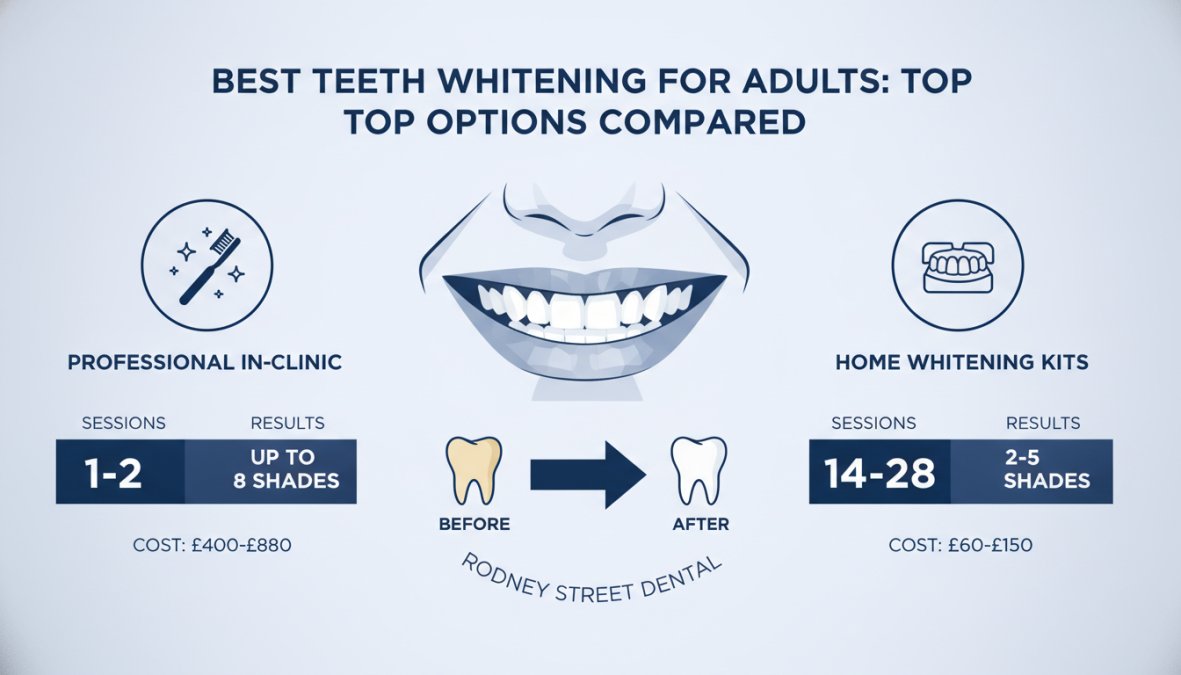
At-home kits using custom-fitted trays filled with dentist-grade gel offer a middle ground. Opalescence Go delivers pre-filled disposable trays containing 10% or 15% hydrogen peroxide, working gradually over 7-10 days at significantly lower cost. Whitening strips like Crest 3D Whitestrips Professional Effects use 10% hydrogen peroxide with an LED light accelerator for convenience without custom impressions.
For sensitive teeth, Lumineux Teeth Whitening Strips use PAP (Phthalimidoperoxycaproic acid) instead of peroxide, eliminating sensitivity entirely, though results take longer. Budget-conscious shoppers can use whitening pens like Crest 3D White Daily Whitening Serum for brush-on convenience, though results are subtle and work best on surface stains.
| Product Type | Speed | Cost Range | Best For | Sensitivity Risk |
|---|---|---|---|---|
| Professional in-office | 1 session | Higher | Maximum results quickly | Low (with fluoride) |
| Custom-fitted trays | 7-10 days | Moderate | Consistent, gradual whitening | Medium |
| Whitening strips | 7-14 days | Low to moderate | Convenience and ease | Medium to high |
| Whitening pens/serums | 14-30 days | Low | Surface stains only | Low |
| Peroxide-free alternatives | 30+ days | Low | Sensitive teeth | None |
Professional vs. At-Home Whitening: Which Works Better?
Professional whitening wins on speed and intensity. Dentist-applied treatments use carbamide peroxide concentrations up to 35%, far higher than over-the-counter options. Your gums are protected with barriers, and the dentist assesses your enamel health before beginning. Results are dramatic, with most patients seeing 6-10 shades of improvement in one appointment.
Professional results don't last significantly longer than well-executed at-home treatments. Both fade at similar rates (typically 6-12 months) because the underlying mechanism is identical: peroxide molecules penetrate the enamel and break apart stain compounds. At-home kits require discipline and consistency, while custom-fitted trays from your dentist offer the best at-home results because they hold gel evenly against all tooth surfaces.
The cost difference is substantial. Professional whitening costs more upfront but saves money if done once yearly. At-home strips cost less per treatment but require more frequent use, which evens out long-term expense.
Best Teeth Whitening for Sensitive Teeth
Tooth sensitivity during whitening stems from peroxide penetrating through microscopic tubules in the enamel and irritating the nerve. High-concentration bleaching agents amplify this effect.
Lumineux Teeth Whitening Strips eliminate this problem entirely by using PAP instead of hydrogen peroxide. PAP causes zero sensitivity but works slower, typically lightening teeth 1-2 shades over 30 days. For those unwilling to sacrifice whitening power, lower-concentration peroxide products (10% hydrogen peroxide) used for shorter durations reduce sensitivity risk whilst still delivering visible results over two weeks.
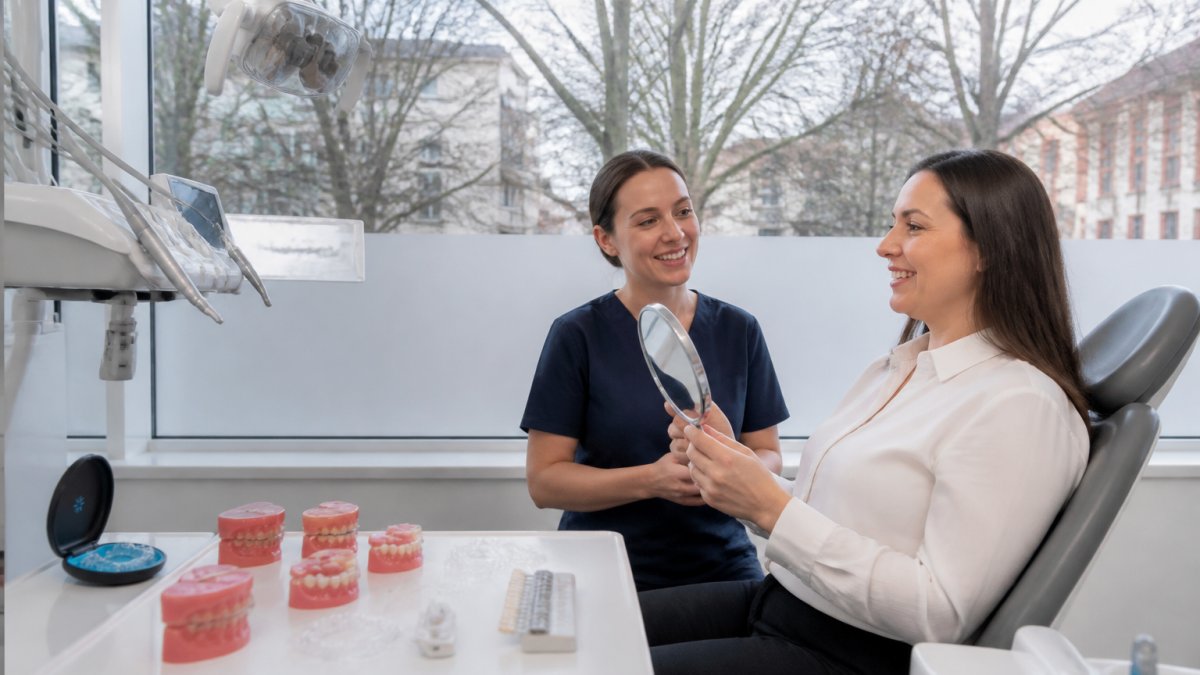
Professional whitening at a dental practice offers the best control for sensitive teeth. Your dentist can apply a desensitising gel before bleaching, use lower concentrations, or apply the gel for shorter intervals.
How Long Does Teeth Whitening Last and How to Maintain Results?
Professional whitening results typically fade within 6-12 months, depending on your diet and habits. At-home treatments fade at the same rate because both rely on the same chemical process: peroxide breaks apart stain molecules, but those molecules reform over time as you consume staining foods and drinks.
Maintenance is everything. Coffee, red wine, and dark berries stain teeth constantly. The most effective long-term strategy combines two approaches: avoid staining triggers where possible, and use touch-up treatments before results fade completely. A practical routine: have professional whitening done once yearly, then use at-home strips for one week every six months as a preventative touch-up.
Fluoride mouthwash and whitening toothpaste help but won't prevent fading on their own. Whitening toothpastes use mild abrasives to remove surface stains, not bleach, so they're best used between whitening treatments to maintain brightness.
| Maintenance Strategy | Frequency | Cost Level | Best For |
|---|---|---|---|
| Professional whitening only | Once yearly | Higher | Maximum results, minimal effort |
| Professional + strip touch-ups | Professional yearly, strips every 6 months | Moderate | Balanced results and cost |
| Professional + pen maintenance | Professional every 18 months, pen monthly | Moderate | Busy people who want gradual upkeep |
| At-home strips only | Every 6-12 months | Lower | Budget-conscious, consistent users |
| Whitening toothpaste only | Daily | Low | Maintenance only, not primary treatment |
Choosing the best teeth whitening for adults ultimately depends on your sensitivity tolerance, budget, and how quickly you want results. Professional treatments deliver the fastest, most dramatic improvements, whilst at-home options offer flexibility and lower cost for those willing to commit to consistent use. For sensitive teeth, peroxide-free alternatives or low-concentration products prevent discomfort without sacrificing results entirely.
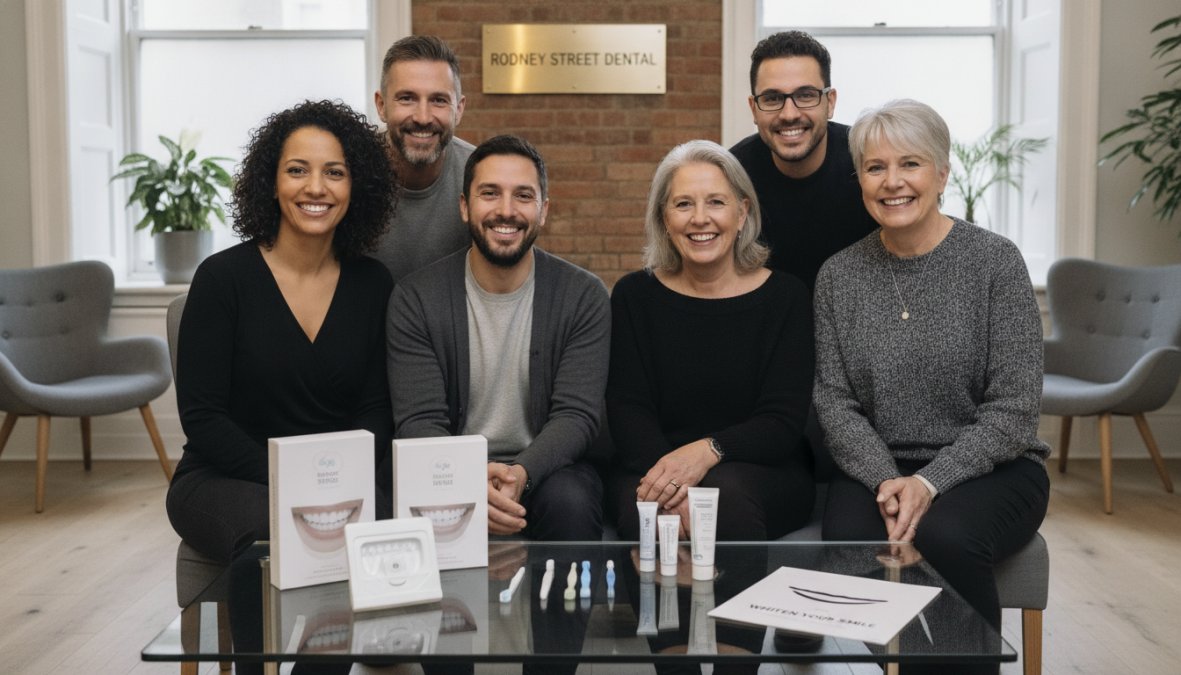
At Rodney Street Dental, we offer professional teeth whitening using clinically proven systems like Philips Zoom and Boutique Whitening, combined with personalised advice on at-home maintenance. Contact us to discuss which whitening option suits your smile best.
Frequently Asked Questions
What is the safest way for adults to whiten their teeth?
The safest approach combines professional guidance with dentist-approved products. Professional-strength treatments using hydrogen peroxide or carbamide peroxide under dental supervision minimise enamel erosion and gum irritation. For at-home use, look for products with the ADA Seal of Acceptance. Those with sensitive teeth should consider peroxide-free alternatives like PAP-based formulas. Always follow application instructions carefully and avoid contact with gums to protect your dental health.
Are at-home teeth whitening kits as effective as professional treatments?
At-home kits can deliver impressive results, though professional in-office treatments typically work faster and may achieve more dramatic shade changes. Professional-grade treatments use higher concentrations of bleaching agents and advanced technology like LED light acceleration. However, quality at-home options with dentist-approved formulations, such as custom-fitted trays or pre-filled professional-strength kits, provide excellent long-term results with greater convenience. Consistency and proper technique matter significantly with at-home solutions.
How long does teeth whitening last for adults?
Results typically last between six months and two years, depending on the treatment type and your lifestyle habits. Professional treatments often provide longer-lasting results than over-the-counter options. Coffee, red wine, and tobacco significantly reduce longevity. Maintaining results requires preventative care: regular brushing, flossing, and occasional touch-ups. Some adults benefit from maintenance treatments every six to twelve months. Adopting good dental hygiene practices and limiting staining foods and drinks extends whitening effectiveness considerably.
What are the side effects of teeth whitening?
Temporary tooth sensitivity is the most common side effect, particularly with high-concentration peroxide treatments. Some users experience mild gum irritation if bleaching gel contacts soft tissue. These effects typically subside within a few days after treatment. Enamel erosion is rare with properly applied, dentist-approved products. Individuals with existing enamel damage or severe sensitivity should consult a dental professional before whitening. Using fluoride-based products and avoiding acidic foods during treatment helps minimise sensitivity.
Do teeth whitening products work for older adults?
Yes, teeth whitening can be effective for older adults, though results may vary. Age-related factors like thinner enamel and existing restorations require careful consideration. Professional treatments allow dentists to assess your individual dental health and recommend appropriate options. Older adults with sensitive teeth or existing dental work may benefit from gentler, peroxide-free alternatives or custom-fitted professional trays. Consulting your dentist ensures you choose a safe, effective solution tailored to your specific dental needs and age-related considerations.
This article was written using GrandRanker