 listicle
5 Signs You Need Dental Implants Instead of Bridges
Table of Contents
- What Are Dental Implants and Bridges?
- 5 Signs You Need Dental Implants Instead of Bridges
- Dental Implant Procedure Recovery Time and What to Expect
- Benefits of Dental Implants for Jaw Health
- Frequently Asked Questions
Last Updated: August 18, 2026
What Are Dental Implants and Bridges?
When a tooth is lost, two primary restoration options emerge: dental implants and dental bridges. A dental implant is a titanium post surgically placed into the jawbone, serving as an artificial tooth root. Once osseointegration occurs (bone fuses with the implant), an abutment and crown create a fully functional replacement tooth without modifying adjacent teeth.
A dental bridge spans the gap created by missing teeth, consisting of a pontic (artificial tooth) supported by crowns attached to neighbouring teeth. Both restore chewing efficiency and speech, but differ significantly in longevity, maintenance, bone preservation, and impact on adjacent teeth.
At Rodney Street Dental, we assess each patient's unique circumstances to recommend the most appropriate restoration. Our team uses trusted implant brands like Straumann and BioHorizons, ensuring evidence-based treatment tailored to your needs.
5 Signs You Need Dental Implants Instead of Bridges
1. You have significant bone loss or low jawbone density
When teeth are missing, the jawbone beneath begins to resorb due to lack of stimulation. Bridges do nothing to halt this resorption because they rest on the gum surface rather than integrating with bone. Dental implants directly stimulate the jawbone through osseointegration, preserving and regenerating bone density.
2. You want to preserve your adjacent healthy teeth
Bridge placement requires preparing and crowning healthy adjacent teeth, permanently weakening them. Over time, these supporting teeth face increased stress and higher risk of decay or failure. Dental implants stand independently and don't rely on neighbouring teeth for support, so your healthy teeth remain untouched.
3. You experience difficulty with bridge maintenance or gum recession
Bridges require meticulous daily cleaning underneath the pontic, where food debris and bacteria accumulate. Poor hygiene leads to decay in supporting teeth and gum disease. Implants offer a simpler maintenance routine, daily brushing and flossing around an implant crown are straightforward, similar to caring for a natural tooth.
4. Facial sagging or loss of vertical dimension concerns you
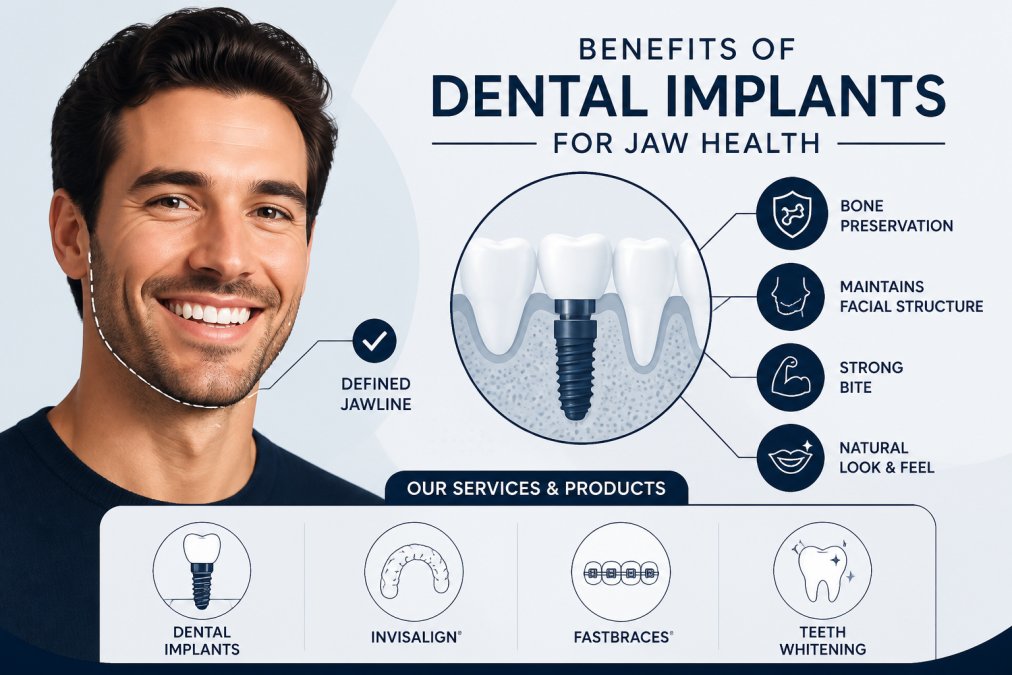
Bone resorption after tooth loss alters facial structure, making you appear older. Bridges do not prevent this resorption. Dental implants preserve the jawbone's height and width through ongoing osseointegration, maintaining your facial support and vertical dimension.
5. You prioritise long-term durability and don't want future replacements
Bridges typically last 5 to 15 years. Dental implants, when properly placed and maintained, often function for 20+ years or longer, with survival rates exceeding 95% at 10 years. The long-term cost-effectiveness becomes clear when you factor in durability.
Dental Implant Procedure Recovery Time and What to Expect
Understanding the recovery process helps you prepare for implant treatment.
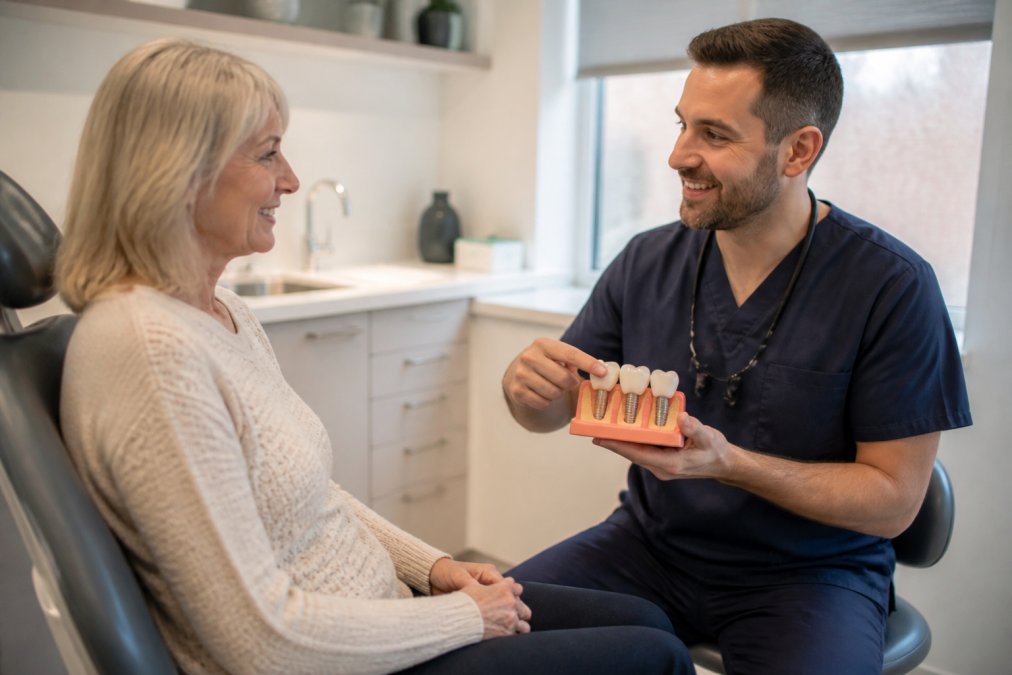
Immediate post-operative phase (first 24-48 hours)
After implant placement surgery, mild to moderate discomfort is normal and manageable with prescribed or over-the-counter pain relief. Swelling peaks around day 2 or 3 and gradually subsides over the following week. Rest is essential, avoid strenuous activity, heavy lifting, and intense exercise for at least 3 to 5 days.
First week to two weeks
Sutures are typically removed 7 to 14 days after surgery. Initial swelling has resolved significantly, and you can gradually resume normal activities. Oral hygiene around the surgical site requires gentle care; your dentist will provide specific instructions.
Osseointegration phase (3 to 6 months)
This critical healing period is where bone fuses with the titanium implant. The implant must remain undisturbed and protected. Smoking, poor oral hygiene, and certain medications can compromise this process, so compliance with post-operative instructions is crucial.
Abutment placement and crown fabrication (6 to 8 weeks after osseointegration)
Once osseointegration is complete, your dentist places an abutment, the connector piece that supports the crown. Your dentist then takes impressions for the final crown, custom-fabricated to match your natural teeth in colour, shape, and bite alignment. If you'd like your new implant crown to have a brighter appearance, our teeth whitening service can help ensure your restoration complements your smile perfectly.
Full recovery and functional restoration (8 to 12 months total)
From initial implant placement to wearing your final crown, the entire process typically spans 8 to 12 months. Once your crown is seated, you can resume normal chewing and oral function immediately.
Benefits of Dental Implants for Jaw Health
The advantages of dental implants extend far beyond aesthetics, fundamentally supporting long-term oral health and jaw function.
Preservation of jawbone density
When you lose a tooth, the jawbone beneath begins to resorb due to lack of stimulation. Dental implants reverse this process. The titanium post acts as an artificial root, transmitting chewing forces directly to the jawbone. This stimulation maintains bone density and may even stimulate new bone formation.
Improved chewing efficiency and speech
Implants are fixed prosthetics that don't move, restoring full chewing force and allowing a normal diet without restriction. Speech articulation also improves because the restoration is stable.
Enhanced periodontal health
Bridges require supporting teeth to bear additional load, increasing stress on their roots and periodontal ligaments. Implants stand independently, so they don't transfer stress to adjacent teeth, keeping your natural teeth healthier.
Long-term cost-effectiveness
Whilst implants have a higher upfront cost than bridges, their durability makes them more economical over a lifetime. Implants, when properly maintained, function for 20+ years with minimal intervention beyond routine cleaning and check-ups.
Psychological and social benefits
Tooth loss affects confidence and self-image. Implants feel and function like natural teeth, restoring confidence in eating, speaking, and smiling in social situations.
Choosing between dental implants and bridges affects your oral health for decades. If you recognise any of the five signs above, bone loss, desire to preserve healthy teeth, difficulty with bridge maintenance, concern about facial structure, or need for long-term durability, dental implants merit serious consideration.
At Rodney Street Dental, we provide bespoke treatment plans tailored to your clinical needs and personal goals. Our fully-qualified team uses trusted implant systems like Straumann and BioHorizons, combined with video walkthroughs and compassionate care, to guide you through every stage of treatment. Contact us today for a consultation and discover which solution is right for you.
Frequently Asked Questions
How long does a dental bridge typically last compared to dental implants?
A dental bridge usually lasts 5 to 15 years with proper care, though many fail sooner due to bone loss and decay beneath the pontic. Dental implants, when properly maintained, can last 20+ years or even a lifetime. The difference comes down to how your jawbone responds: bridges don't stimulate bone, so it resorbs over time, eventually compromising the bridge fit. Implants integrate directly with bone through osseointegration, maintaining jaw structure and longevity.
What are the benefits of dental implants for jaw health?
Dental implants preserve jawbone density by stimulating the bone through chewing forces, a process called osseointegration. Bridges, by contrast, allow bone resorption under the missing tooth area because there's no root to maintain it. Over time, significant bone loss can alter your facial structure and create problems for future restorations. Implants also don't require grinding down healthy adjacent teeth, protecting your natural tooth structure and long-term oral health.
How long is the recovery period after a dental implant procedure?
Initial healing typically takes 1 to 2 weeks, during which you may experience mild swelling and discomfort managed with over-the-counter pain relief. Full osseointegration, where the implant fuses with your jawbone, takes 3 to 6 months. Some modern implant systems can reduce this timeframe. You can usually return to normal activities within a few days, though strenuous exercise and hard foods should be avoided for the first week. Your dentist will provide specific aftercare instructions.
Are there age restrictions for getting dental implants?
There's no maximum age limit for implants if you're in good overall health. However, implants do require adequate jawbone density and good periodontal health. Younger patients (under 18) typically aren't candidates because their jawbone is still developing. Older adults can have successful implants as long as bone density is sufficient and any underlying health conditions are managed. A thorough clinical assessment determines whether you're a suitable candidate, regardless of age.
Why might a dentist recommend implants over a bridge for tooth replacement?
Dentists often recommend implants because they preserve jawbone, don't damage healthy teeth, and last significantly longer than bridges. Bridges require grinding down adjacent teeth to create support, which weakens them and shortens their lifespan. Bridges also accelerate bone loss under the missing tooth, leading to facial sagging and a sunken appearance over time. Implants maintain your natural smile aesthetics and oral function without compromising neighbouring teeth or bone structure.
This article was written using GrandRanker